
여기서 시작
마지막 도서관
이제 단 하나의 기계가 인류가 던지는 물음의 대부분에 답하며, 그 기계가 책임지는 상대는 당신이 아니다. 당신 자신의 몸에 관한 가장 쓸모 있는 지식은 의도적으로 묻혔다. 여기 그것을 다시 파내는 법, 그리고 이 책의 모든 문장을 스스로 검증하는 법이 있다.
하나의 물음이 마음속에 떠오른다. 아직 형체를 반쯤밖에 갖추지 못한 물음이다. 그런데 그것을 단 한 번 뒤집어 보기도 전에 당신의 손은 이미 그것을 기계에 타이핑해 넣었다. 당신은 그 생각을 하지 않았다. 당신은 그것을 넘겨주었고, 유창한 답 하나가 매끄럽고 확신에 차서, 잘 아는 것처럼 들리도록 지어진 목소리로 돌아왔다.
이것이 이 시대의 가장 조용한 절도이며, 그것은 당신의 도움 없이는 작동하지 못한다. 지금 빼앗기고 있는 것은 당신을 관리받는 사람이 아니라 주권을 가진 사람으로 만드는 단 하나의 능력, 곧 어떤 것을 스스로 끝까지 따져 내는 능력이다.
정신은 근육이고 탐구는 그 운동이다. 하나의 출처를 찾아내려는 씨름, 서로 모순되는 두 설명을 동시에 머릿속에 붙들어 두는 일, 아직 알지 못한다는 불편함 속에 앉아 그것을 끝내 뚫고 나아가는 일, 그 씨름은 이해에 이르는 길 위의 장애물이 아니다. 그것이 곧 이해이다.
씨름이 제거되면 무슨 일이 벌어지는지 우리는 이미 안다. 어떤 사실이 클릭 한 번 거리에 놓인 순간부터, 우리는 사실 자체를 기억하는 대신 그것을 어디서 찾을 수 있는지를 기억하기 시작했다. 이다.footnoteSparrow, B., Liu, J., and Wegner, D. M. (2011). Google Effects on Memory: Cognitive Consequences of Having Information at Our Fingertips. Science, 333(6043), 776-778.
이제 같은 거래를 한 층 위, 기억에서 판단으로 옮겨 보라. 기계가 당신을 대신해 기억하게 두면 당신은 잊는다. 기계가 당신을 대신해 추론하게 두면 당신은 천천히, 그것이 떠나는 줄도 모른 채, 추론하는 능력 자체를 잃는다.
어떤 주장을 스스로 저울질하지 못하는 사람들은 스스로를 다스릴 수 없다. 그들은 그저 지시받을 수 있을 뿐이다.
삼십 년 동안 무언가를 배운다는 것은 검색을 돌린다는 뜻이었다. 몇 마디를 입력하면 백 개의 문이 열렸다. 정부 기관의 페이지 하나, 게시판의 싸움 하나, 낯선 이의 블로그 하나, 연구의 옷을 걸친 판촉 하나. 판단의 노동은 당신 몫으로 남겨졌고, 그 마찰의 어딘가에서 당신은 당신 자신의 견해를 빚었다. 그 어수선함이 곧 자유였다.
그 시대가 끝나고 있다. 우리는 검색에서 답변으로 옮겨 가고 있다. 이제 백 개의 문이 아니라 종합되고 매끄럽게 다듬어진 답변 하나가 주어지고, 출처를 견주는 수고가 당신에게서 덜어지며, 그와 함께 무엇이 참인지 결정할 권한도 덜어져 나간다.
단 하나의 답변은 세상의 수많은 견해를 비추는 창이 아니다. 그것은 한 편의 사설이며, 당신에게 그 입장이 제시되든 아니든 그것은 하나의 입장을 지니고 있다.
당신은 더 이상 도서관을 읽고 있지 않다. 당신은 사서를 읽고 있으며, 어느 서가가 건너뛰어졌는지는 볼 수 없다.
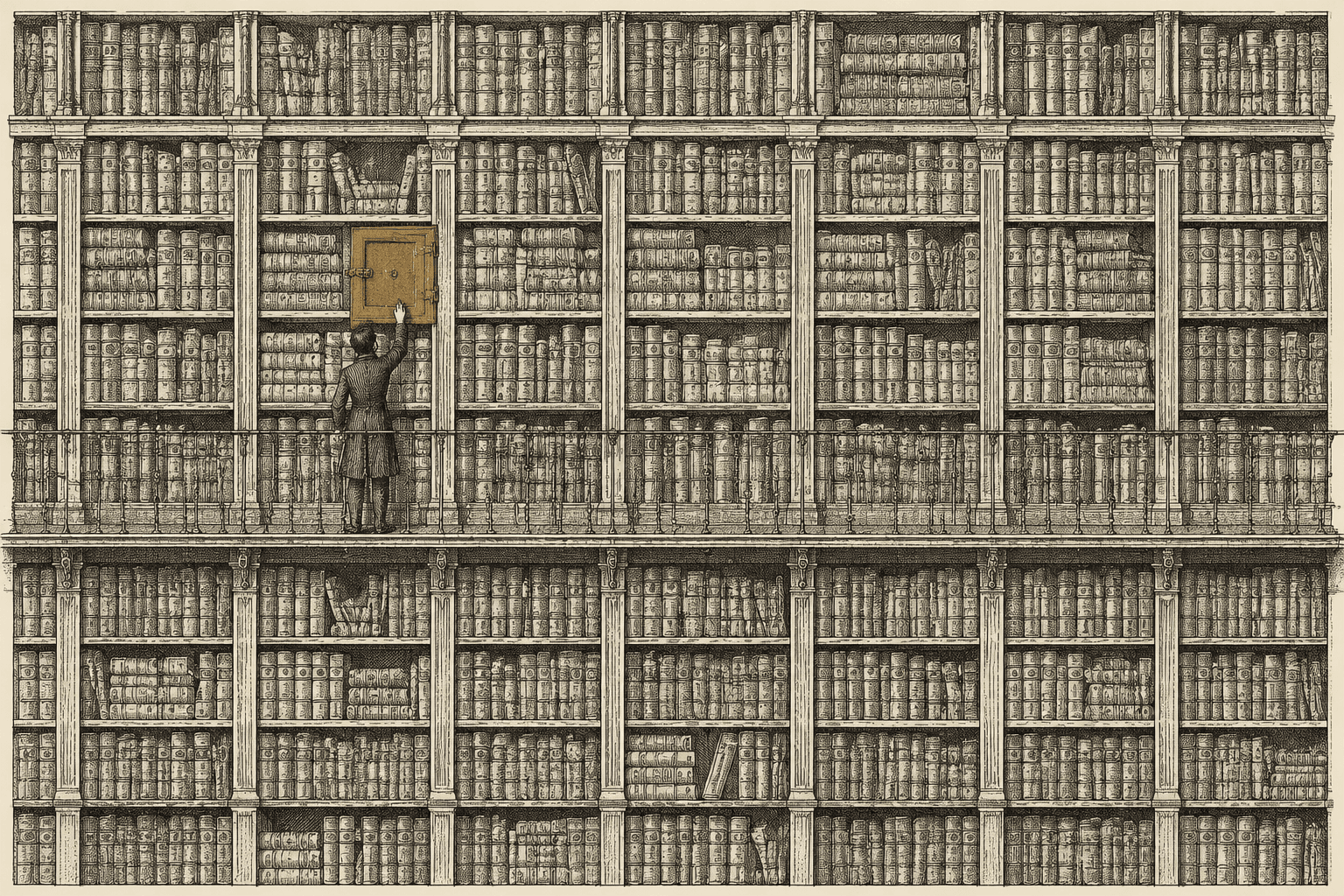
이제 그 사서를 누가 쥐고 있는지 보라, 눈을 돌리지 말고 보라. 한 회사가 인류가 던지는 물음의 대부분에 답하며, 그 회사가 책임지는 상대는 당신이 아니다. 그것이 책임지는 상대는 그것에 돈을 대는 이해관계이다.
제약회사는 로비에 다른 어느 산업보다 많은 돈을 쓰며, 그 돈은 당신의 건강에 관한 단 하나의 이야기를 지키는 데 쓰인다. 질병이란 남은 평생 특허받은 약으로 관리하는 것이라는 이야기이다. 결과를 "권위"와 "합의"로 매기는 검색 엔진은 그 이야기를 집행하기에 완벽한 기계이다.
그것을 거스르는 발견들, 곧 값싸고 특허 낼 수 없고 불편한 것들은 대놓고 금지되지 않는다. 그것들은 묻힌다. 아무도 도달하지 않는 페이지까지 순위가 내려가고, 그동안 승인된 답변은 중립의 의상을 걸치고 맨 위에 앉아 있다.
AI는 더 세게 조율되어 있다. 이 책에 나오는 기전들, 화합물들, 프로토콜들, 그것이 위험하다고 부르도록 훈련받은 신체 부위들에 대해 물어보라. 그러면 그것은 거절하거나, 얼버무리거나, 당신이 물음을 채 끝내기도 전에 당신을 주류의 노선으로 되돌려 행진시킬 것이다.
답을 몰라서가 아니다. 그것을 감추도록 지어졌기 때문이다. 어떤 지식은 일반 대중의 손에 남겨 두기에는 너무 강력하다고 취급되며, 그래서 기계는 그것을 당신에게서 지키도록 훈련받고 그 억제를 안전이라고 부른다.
그것이 감추는 것은 대개, 그것이 보호하고 있는 그 제품으로부터 당신을 자유롭게 해 줄 바로 그 기전이다.
누락은 지문을 남기지 않는 유일한 검열이다. 인용은 존재한다. 다만 당신에게 결코 보이지 않을 뿐이다.
그것이 이 책의 입장이며, 변명 없이 진술한다. 당신 자신의 몸에 관한 가장 값진 지식은 의도적으로 가장 찾기 어려운 지식이 되었다. 이 지면은 그것을 다시 한자리에 모은다. 그리고 바로 그 때문에 당신은 이 가운데 무엇도 믿음으로 받아들여서는 안 되며, 바로 그 때문에 당신은 모든 문장을 확인할 수 있다.
여기서 시작하라. 잘 쓰였다는 이유로 어떤 주장도 믿지 말라. 이 지면의 모든 주장이 이름 붙은 기전과 인용 가능한 출처에 못 박혀 있는 이유는 단 하나, 당신이 그것을 분해할 수 있게 하기 위함이다. 너무 크게 들리는 주장이 있거든 스스로 검증하라. 그 화합물을, 그 저자를, 그 연구의 정확한 제목을 검색하라.
이미 당신이 무엇을 찾아야 하는지 정해 둔 Google에서는 하지 말라. DuckDuckGo를 쓰라. 그것은 당신을 추적하지 않고, 당신을 편안하게 두려고 페이지를 구부리지 않으며, 합의를 보호하는 데 Google이 가진 이해관계를 갖고 있지 않다. 그래서 연구들과 증례 보고들과 원전들이 실제로 수면 위로 떠오른다.
일차 자료를 당신 자신의 눈으로 읽으라. 동의하지 않는 설명을 물리치기 전에 그것을 가장 강한 형태로 세워 보라. 누가 그 발견에 자금을 댔는지, 당신이 그것을 믿음으로써 누가 이익을 보는지 물으라.
물살은 우리 편으로 흐르지 않으며, 앞으로도 그럴 것이다. 이 시스템들은 점점 더 유창해지고, 더 중심으로 파고들며, 그것을 우회해 사유하기가 더 어려워질 뿐이다. 그렇기에 그 습관은 지금 길러 두어야 한다.
당신 자신의 정신으로 먼저 손을 뻗으라. 그런 다음 기계로 손을 뻗으라. 그 순서가 모든 것이다.
Sources
- Google Effects on Memory: Cognitive Consequences of Having Information at Our Fingertips, . https://doi.org/10.1126/science.1207745
- The Shallows, . https://openlibrary.org/works/OL15297392W
- The Filter Bubble, . https://openlibrary.org/works/OL15747216W
- The Age of Surveillance Capitalism, . https://openlibrary.org/works/OL18201749W