
الكلمة والماء
الكلمة قوّة فيزيائية. إنها تعيد ترتيب المادّة، وأشدّ ما تشكّله من المادّة هو الدماغ والماء الذي يسبح فيه. مع كلّ جملة تكرّرها، أنت تبرمج نفسك، نحو القوّة أو نحو الخراب.
كأسان من الماء، مسحوبان من المنبع نفسه. على أحدهما لُصقت كلمة: شكراً لك، أحبّك. وعلى الآخر: يا أحمق، أكرهك. جمّدهما، وصوّر البلورات، فلا يخرجان متشابهين. الماء المحبوب تفتّح في شبكات سداسية مشعّة، كاتدرائيات من ندف الثلج بتناظر تامّ. أمّا الماء المكروه فلم يقدر على حفظ أيّ شكل، لم يكن إلا انهياراً بنّياً وشظايا مكسورة لا تناظر فيها.
أعاد الباحث الياباني ماسارو إيموتو التجربة بأرزّ مطبوخ محكم الإغلاق في جرار، فاختمر الأرزّ المحبوب اختماراً حلواً، بينما اسودّ الأرزّ الملعون وفسد نتناً.footnoteEmoto, M. (2004). The Hidden Messages in Water. Beyond Words Publishing. العمل الذي وضع لأول مرّة صور بلورات الكلمات المحبّة والكلمات الكارهة أمام ملايين القرّاء.
دارت الصور حول العالم، لأنّ كلّ من نطق يوماً في غضب وأحسّ بالغرفة تتغيّر كان يعرف سلفاً، في جسده، أنّ هذا حقّ. الكلمة تحطّ في مكان ما، وتفعل شيئاً.
أزاحته المؤسسة العلمية جانباً، كما تزيح كلّ ما تعجز بعدُ عن إدراجه في نموذج. لكنّه، حين أُجري تحت تعمية صارمة، صمد.
ركّز نحو ألفين من البشر في طوكيو نيّةً محبّة على ماء محكم الإغلاق داخل غرفة معزولة كهرومغناطيسياً في كاليفورنيا، فقيّمت لجنة من مئة حَكَم مستقلّ، لا يدري أحدهم أيّ عيّنة هي أيّ، بلورات الماء المستهدف بأنها أبهى بفارق ذي دلالة من بلورات الضوابط.footnoteRadin, D., Hayssen, G., Emoto, M., Kizu, T. (2006). Double-blind test of the effects of distant intention on water crystal formation. Explore, 2(5), 408-411. وجّه نحو ألفي شخص نيّتهم إلى ماء معزول، فقيّم مئة حَكَم معمّون بلورات الماء المعالَج بأنها أبهى بفارق ذي دلالة من الضوابط، P = .001.
بلغت الكلماتُ الماءَ عبر قارّة، خِلال الفولاذ وخِلال التعمية، فغيّرت ما صار إليه.
خطأ إيموتو الوحيد الحقيقي كان في حجم وعائه. صبّ الماء في كأس ووضعه على طاولة، حيث لا شيء له ليفعله. أمّا الوعاء الذي تجري فيه هذه التجربة بحقّ، الذي ظلّ يجري كلّ ثانية من حياتك، فهو الذي يقرأ هذه الجملة.
أنت ماء بنسبة تصل إلى ستّين في المئة. ودماغك ماء بنسبة ثلاثة وسبعين في المئة.footnoteU.S. Geological Survey, The Water in You, citing Mitchell, H. H. et al. (1945), Journal of Biological Chemistry, 158, 625-637: حتى نحو ستّين في المئة من جسد البالغ ماء، والدماغ والقلب نحو ثلاثة وسبعين في المئة، والرئتان نحو ثلاثة وثمانين في المئة. أنت عمود قائم من ماء مالح مشحون، يولّد كلّ فكرة ستفكّر بها يوماً، وكلّ خوف ستردّده يوماً، وكلّ واقع ستدركه يوماً.
لم يكن السؤال يوماً هل تستطيع كلمة أن تحرّك كأساً على رفّ. السؤال هو ماذا تفعل كلمة، مكرّرة ألف مرّة، بالكيلوغرام ونصف الكيلوغرام من الماء الحيّ الذي يولّد عالمك كلّه. وقد أُجيب عن ذلك السؤال، إجابةً باردة، في مختبر بعد مختبر. الكلمة تكتب.
وضع إيموتو الماء على طاولة، حيث لا شيء له ليفعله. أمّا الوعاء الذي تجري فيه التجربة بحقّ فهو الذي يقرأ هذه الجملة.
الحجّة تجري في ثلاث حركات. الاهتزاز ينظّم المادّة. والاعتقاد يعيد كتابة الأحياء. وبينهما يقبع المحرّك الذي يصنعك، دماغ يُرشّح الواقع ويعيد توصيل نفسه فيزيائياً على مقاس الكلمات التي تُجريها فيه أكثر من سواها.
ما تسمّيه الثقافة تجلّي المراد هو هذه الآلة، تعمل سواء أمرتَها أم لم تأمرها. ليست أمنيةً تُقذف نحو السماء ويُرجى خيرها. تعلّم أن تأمرها.
الكلمة تصير صورة
ليس انتظام المادّة بالاهتزاز ضرباً من الصوفية. إنه عام 1787. نثر إرنست كلادني رملاً ناعماً على صفيحة فولاذية وأمرّ قوساً على حافتها، ففعل الرمل المستحيل. فرّ من أجزاء الصفيحة التي تحرّكت، واحتشد في ثوانٍ على طول الخطوط الساكنة سكوناً تامّاً، أي عُقَد .
صارت نغمة واحدة هندسةً ثابتة: نجمة، شبكة، ماندالا، دون يد ترتّبها. غيّر الدرجة الصوتية فيقفز الشكل إلى شكل جديد. نسمّيها ، وقد أسّست علم الصوتيات.footnoteChladni, E. F. F. (1787). Entdeckungen ueber die Theorie des Klanges (Discoveries in the Theory of Sound), Leipzig. جعل طرقُ الصفائح المنثور عليها الرمل هندسةَ الموجة الواقفة لنغمةٍ مرئيةً لأول مرّة، وافتتح علم الصوتيات.
ونقلها مايكل فاراداي إلى السائل عام 1831. الماء على سطح مهتزّ ينتظم ذاتياً في شبكات موجة واقفة منتظمة، وقد عثر فاراداي على القانون الدقيق الكامن تحتها.footnoteFaraday, M. (1831). On a peculiar class of acoustical figures, and on certain forms assumed by groups of particles upon vibrating elastic surfaces. Philosophical Transactions of the Royal Society, 121, 299-340. السوائل على سطح مهتزّ تنتظم في أنماط موجة واقفة، تُسمّى اليوم موجات فاراداي. نحتُ الاهتزاز للماء في هندسة فيزياء دقيقة قانونية.
وبعد أكثر من قرن سمّى الطبيب هانس ينّي الظاهرة كلّها ، وصوّر النغمات وهي تنحت المساحيق والمعاجين والماء في صور هندسية حيّة.
جرّد الأمر من الشموع والبلورات فيكون الصوت فيزياء موجة واقفة: تردّد واحد يشدّ الرمل الميت إلى ماندالا حيّة في الزمن الحقيقي. الاهتزاز هو القوّة المنظِّمة. والمادّة هي ما يطيعها. "في البدء كانت الكلمة" تكفّ عن أن تكون لاهوتاً وتصير وصفاً لكيفية نشوء الصورة.
والآن ضع نفسك داخل الصورة، لأنك مصنوع بالضبط من الشيئين اللذين على تلك الصفيحة. أنت اهتزاز، تذبذب كهروكيميائي يجري في كلّ عصب ويبثّ حقلاً قابلاً للقياس. وأنت ماء، أشدّ الأوساط استجابةً على الإطلاق.
حين تتكلّم، تدفع اهتزازاً خلال ذلك الماء، صوتك أنت يرنّ في صدرك أنت وجمجمتك أنت. كرّره، فتترك أثراً. والموضع الذي تُشاهَد فيه الكلمة وهي تصير صورةً في إنسان هو الجهاز العصبي، حيث يمكن قياس الأثر الذي تتركه الكلمة نزولاً إلى الجزيء.
المُرشِّح الذي يبني عالمك
إليك الرقم الذي ينبغي أن يعيد ترتيب نظرتك إلى حياتك. تستقبل حواسّك معلومات في حدود أحد عشر مليون بِت كلّ ثانية. أمّا عقلك الواعي فيتدبّر بضع عشرات.footnoteرقم الأحد عشر مليون بِت مصدره عالم فسيولوجيا الحواسّ Manfred Zimmermann؛ وشهّر تقابله مع سعة الوعي Tor Norretranders في The User Illusion (الطبعة الإنجليزية 1998). تجمع الحواسّ ما يقارب أحد عشر مليون بِت في الثانية، ولا يتدبّر الوعي منها إلا حفنة.
ثمّة شيء يرمي أكثر من تسعة وتسعين فاصلة تسعة في المئة من الواقع قبل أن تراه أصلاً، وما يُبقيه هو العالم كلّه الذي ستعيشه واعياً. والبوّابة التي تقرّر ما ينجو من ذلك الفرز هي، بأدقّ معنى حرفيّ، مؤلّفة واقعك. وأنت تستطيع برمجة البوّابة.
ولهذه البوّابة اسم. إنها ، وقد عثر عليه موروتزي وماغون عام 1949 حين اكتشفا أنّ تنبيه عقدة صغيرة من الخلايا في جذع الدماغ قادر على قلب حيوان من دماغ نائم إلى دماغ يقظ تماماً في لحظة.footnoteMoruzzi, G., Magoun, H. W. (1949). Brain stem reticular formation and activation of the EEG. Electroencephalography and Clinical Neurophysiology, 1(4), 455-473. تنبيه التكوين الشبكي في جذع الدماغ يحوّل القشرة من نمط النوم إلى النمط المنشَّط اليقظ. إنه نظام الإثارة والترشيح الرئيس في الدماغ.
إنه يحكم ما يصل إليك، ويضبط نفسه على كلّ ما أخبرتَه بأنه مهمّ.
انظر كم يُرشّح ترشيحاً مطلقاً. ضع إنساناً في غرفة أصوات متداخلة فيُقفل على محادثة واحدة ويفقد كلّ ما عداها، أثر حفلة الكوكتيل، حتى يُنطق اسمه هو عبر الغرفة فيخترق مباشرةً، لأنّ المُرشّح مضبوط عليه.footnoteCherry, E. C. (1953). Some experiments on the recognition of speech, with one and with two ears. Journal of the Acoustical Society of America, 25(5), 975-979. البرهان المؤسِّس على الانتباه الانتقائي: نتتبّع مجرى واحداً ونطرح البقية، إلا ما وسمناه بالأهمية.
اعرض على مئة واثنين وتسعين شخصاً مقطعاً مصوّراً وقل لهم عُدّوا تمريرات كرة السلة، فيُخفق نصفهم تقريباً في رؤية شخص يرتدي بدلة غوريلا كاملة يدخل وسط الإطار، ويستدير إلى الكاميرا، ويقرع صدره، ثم يمضي خارجاً. ظاهر تمام الظهور، وغير مرئيّ، لأنهم أُمروا أن يبحثوا عن شيء آخر.footnoteSimons, D. J., Chabris, C. F. (1999). Gorillas in our midst: sustained inattentional blindness for dynamic events. Perception, 28(9), 1059-1074. من بين 192 مشاهداً، لم يرَ 46 في المئة الغوريلا قطّ. ما لا تبحث عنه، لا تراه.
اشترِ سيارةً بعينها فتراها في اليوم التالي في كلّ شارع. لم تتكاثر السيارات. تغيّر مُرشّحك، فأعاد العالم ترتيب نفسه حول التعليمة الجديدة.footnoteالأثر هو وهم التواتر، سمّاه اللغوي Arnold Zwicky عام 2005، وهو يعمل بالدافع ذاته الذي برهنه Peter Wason عام 1960 (Quarterly Journal of Experimental Psychology): ما إن يُعتنق اعتقاد حتى يلتمس العقل الدليل الذي يؤكّده. تجد ما ضُبطت للعثور عليه.
هذا هو تجلّي المراد وقد رُكّبت عليه آليته أخيراً، ولا يحتاج إلى شيء خارق. الهدف الذي تحمله، والخوف الذي تردّده، والهويّة التي تكرّرها، كلّ ذلك يصير التعليمة الدائمة للمُرشّح، والمُرشّح يعيد بناء العالم الذي يصل إليك على مقاسها.
قرّر أنك منحوس فيسلّمك انتباهك حياةً من أبواب مغلقة، ويدفن بهدوء كلّ باب مفتوح، وقبل أن ينقضي الأسبوع يكون لديك جبل من البراهين على أنك كنت محقّاً، لأنك أنت من ضبط الأداة ذاتها التي تجمع براهينك. وقرّر أنك تبحث عن الثغرة، فيسلّمك الشارع نفسه، وصندوق الوارد نفسه، والغرفة الصعبة نفسها، عالماً مختلفاً.
ستجد البرهان دائماً. السؤال الوحيد هو ما الذي أمرتَ الأداة بالبحث عنه.
الانتباه يفعل أكثر من اختيار أيّ مستقبل يصل. إنه يبني حاضرك، ثانيةً ثانية، بتقريره أيّ واقع يُسمح لك برؤيته.
ستجد البرهان دائماً. السؤال الوحيد هو ما الذي أمرتَ الأداة بالبحث عنه.
الأخدود في الماء
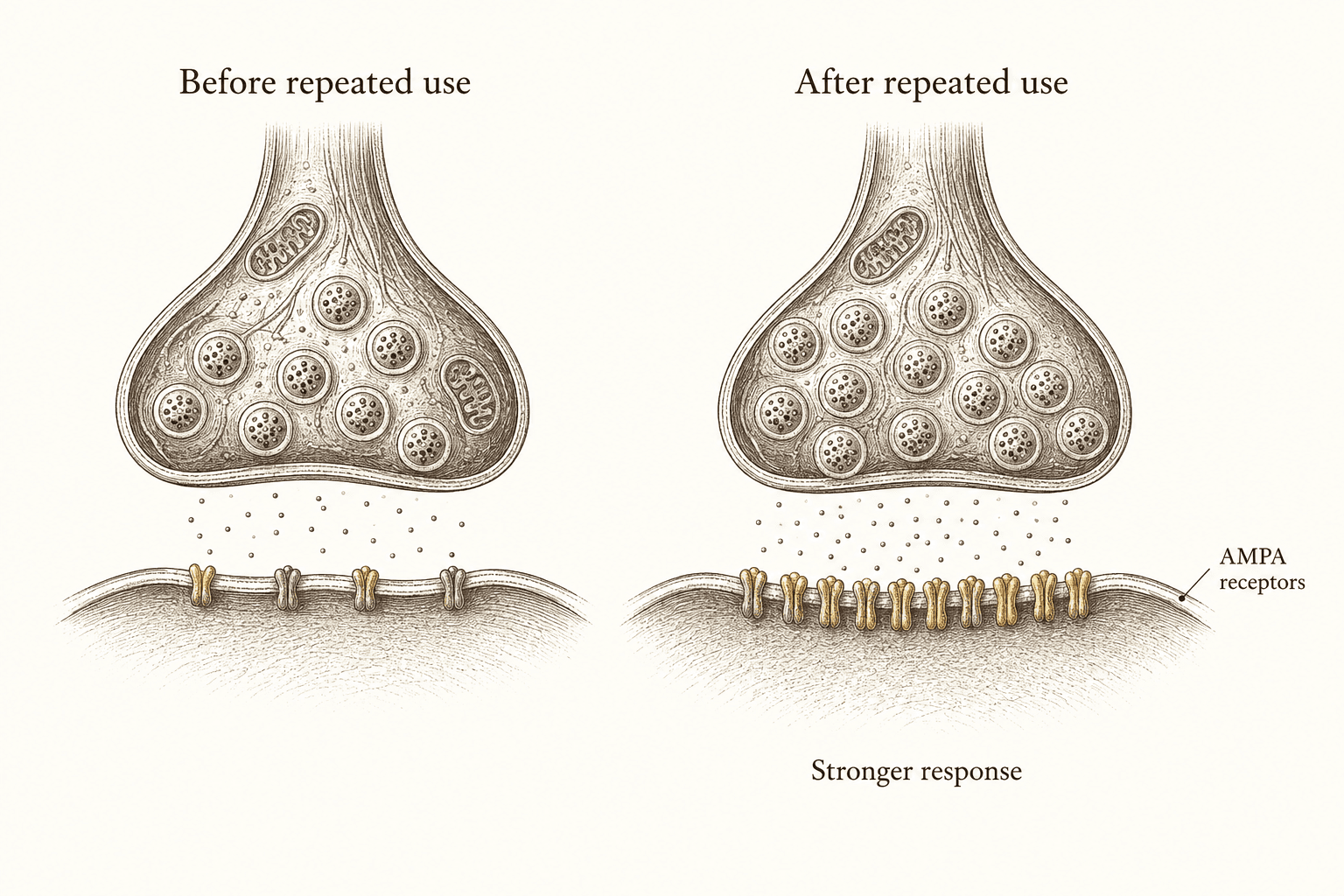
لماذا التكرار، لا إعلان واحد كبير؟ لأنّ المُرشّح عتاد رطب، والعتاد الرطب يأخذ شكل استعماله. صاغ دونالد هِبّ القانون عام 1949: الوصلة بين عصبونين تُطلق مراراً تشتدّ، حتى يصير إطلاق الأول جاعلاً إطلاق التالي شبه محتوم.footnoteHebb, D. O. (1949). The Organization of Behavior. Wiley. الإطلاق المتزامن المتكرّر يقوّي الوصلة بين العصبونات. أمّا الصياغة الشائعة، أي أنّ العصبونات التي تطلق معاً تتوصّل معاً، فصاغتها لاحقاً Carla Shatz؛ والمبدأ لـ Hebb.
وذلك القانون محفور في نسيج حيّ. سائقو الأجرة في لندن، الذين يقضون سنين في حفظ خمسة وعشرين ألف شارع، تنمو لديهم مراكز ذاكرة أكبر بشكل مرئيّ في مؤخّرة الدماغ، وكلّما طالت سنو قيادتهم كبرت تلك المنطقة.footnoteMaguire, E. A. et al. (2000). Navigation-related structural change in the hippocampi of taxi drivers. PNAS, 97(8), 4398-4403. سنون من الملاحة المكثّفة وسّعت الحُصين الخلفي فيزيائياً، مع تتبّع الحجم للخبرة. الاستعمال يعيد تشكيل العضو.
والبالغون الذين يتدرّبون ثلاثة أشهر على قذف الكرات وتلقّفها تنمو لديهم مادّة رمادية جديدة في الدماغ البصري، نسيج حقيقي تستطيع قياسه على مسح.footnoteDraganski, B. et al. (2004). Neuroplasticity: changes in grey matter induced by training. Nature, 427(6972), 311-312. ثلاثة أشهر من التمرين أنبتت مادّة رمادية قابلة للقياس. الدماغ يعيد بناء نفسه فيزيائياً على مقاس ما تفعله مراراً.
الدماغ صلصال رطب، ويتصلّب على طول الخطوط التي تُجريها فيه أكثر من سواها.
الفكرة التي تُجرى كلّ يوم قناة تُحفر كلّ يوم، وماء انتباهك يجري حيث القناة أعمق، فيحفرها أعمق. تلك هي العصبيّات الحرفية للعادة، والعصبيّات الحرفية لكلّ ما تسمّيه ذاتك الافتراضية.
الأخاديد التي تعيش داخلها حفرها التكرار، ما يعني أنّ إعادة حفرها تجري بالطريقة ذاتها. أنت لست عالقاً أبداً. مع كلّ فكرة تكرّرها، أنت تنحت.
الدماغ صلصال رطب يتصلّب على طول الخطوط التي تُجريها فيه أكثر من سواها. والفكرة التي تُجرى كلّ يوم قناة تُحفر كلّ يوم.
البرمجة نحو الوفرة، أو نحو الخراب
الكلمات التي تكرّرها على نفسك هي طاقم التعليمات الذي تُحمّله في المُرشّح، والإزميل الذي تجرّه على النسيج، والدليل على ما تفعله محدّد ومقيس وذو حدّين.
خُذ الجانب البنّاء أولاً. بضع دقائق تُقضى في الكتابة عن قيمة تحملها حقّاً، قبل حدث ضاغط، تخفض قياساً الكورتيزول الذي يغمرك به جسدك تحت ذلك الضغط.footnoteCreswell, J. D. et al. (2005). Affirmation of personal values buffers neuroendocrine and psychological stress responses. Psychological Science, 16(11), 846-851. تأكيد قيمة جوهرية قبل الضاغط خفض استجابة الكورتيزول خفضاً ذا دلالة. الكلمة بلغت مجرى الدم.
ضع إنساناً في ماسح دماغي، وأعطه تأكيداً لذاته، فيضيء مركز التقييم والمكافأة في الدماغ، وقوّة تلك الإشارة تتنبّأ بمن سيغيّر سلوكه فعلاً خلال الشهر التالي، مقيساً بمستشعر حركة لا بأيّ شيء ادّعاه.footnoteFalk, E. B. et al. (2015). Self-affirmation alters the brain's response to health messages and subsequent behavior change. PNAS, 112(7), 1977-1982. نشّط التأكيد مركز التقييم في الدماغ، وتنبّأ ذلك النشاط بتغيّر سلوكيّ حقيقي مقيس بمقياس التسارع بعد شهر. الكلمة حرّكت الجسد.
وعبر عشرات الدراسات المضبوطة، يُحسّن الحديثُ المقصود إلى الذات الأداءَ على نحو موثوق.footnoteHatzigeorgiadis, A. et al. (2011). Self-talk and sport performance: a meta-analysis. Perspectives on Psychological Science, 6(4), 348-356. عبر 32 دراسة، حسّن الحديث المنظَّم إلى الذات الأداء على نحو موثوق. ما تقوله لنفسك يغيّر ما تقدر عليه.
لكن يجب أن تكون الكلمة كلمةً تستطيع تصديقها، وهذا هو الجزء الذي لا تخبرك به صناعة التأكيدات أبداً. كرّر جملةً يرفضها جهازك العصبي بوصفها كذبة، فلا ترفعك، بل تكتب العكس، وأعمق.footnoteWood, J. V., Perunovic, W. Q. E., Lee, J. W. (2009). Positive self-statements: power for some, peril for others. Psychological Science, 20(7), 860-866. تكرار "أنا إنسان يستحقّ أن يُحَبّ" ترك أصحابَ تقدير الذات المنخفض أسوأ حالاً: الكلمة التي يعجز قائلها عن تصديقها ترتدّ عليه. يجب أن تكون التعليمة قابلة للتصديق كي تكتب.
الرافعة كلمة صادقة، مربوطة بمن تصير إليه فعلاً، ومصوّبة نحو مستقبل تستطيع الوقوف خلفه، مكرّرة حتى تصير أمراً بيّناً. قل "أنا إنسان يتدرّب" فتكتب الجملة نفسها نظيفةً في حياة، لأنك تستطيع غداً أن تبرهنها. أمّا كذبة كبرى تُرتّل أمام مرآة فلا توسّع إلا الفجوة التي جيء بها لتُغلقها. الكلمات القابلة للتصديق تبرمج. والوهم يرتدّ على صاحبه.
وادفن هنا أسطورة الأشرطة تحت العتبة الشعورية، لأنها النسخة الكاريكاتيرية من هذا كلّه. بدأ الإعلان تحت العتبة الشعورية خدعةً بالمعنى الحرفي، رجل ادّعى أنّ ومض عبارة "كُل الفشار" بين إطارات الفيلم رفع المبيعات، ثم اعترف لاحقاً بأنه اخترع الأرقام.
وحين أجرى الباحثون اختبارات معمّاة سليمة على أشرطة المساعدة الذاتية تحت العتبة، تحسّن الناس في ما اعتقدوا أنّ الشريط مخصّص له، أيّاً كان المسجَّل عليه فعلاً.footnoteGreenwald, A. G. et al. (1991). Double-blind tests of subliminal self-help audiotapes. Psychological Science, 2(2), 119-122. تحسّن المستمعون وفق البطاقة التي توقّعوها، لا وفق المحتوى الخفيّ. أمّا الدعوى الأصلية للإعلان تحت العتبة (James Vicary, 1957) فاعتُرف عام 1962 بأنها ملفّقة.
البرمجة شيء تفعله أنت، بصوت مسموع، عن قصد، بالتكرار والانتباه. الكلمة الواعية المكرّرة المحضورة بالانتباه هي التي تكتب.
ثم الجانب المدمّر، وهو ليس لطيفاً، لأنّ القناة نفسها تجري عكسياً بالقوّة ذاتها. الكلمات السلبية تُحدث أذى حقيقياً فيزيائياً. أخبر إنساناً بأنّ الحقنة ستؤلم أكثر فتؤلم أكثر، وذلك الألم، المصنوع بجملة، تحمله جزيئة بعينها، ويُطفئه الدواء الذي يحجب تلك الجزيئة.footnoteBenedetti, F. et al. (2006). The biochemical and neuroendocrine bases of the hyperalgesic nocebo effect. Journal of Neuroscience, 26(46), 12014-12022. أنتج إيحاء لفظي سلبيّ ألماً حقيقياً، تحمله cholecystokinin ويحجبه الدواء الذي يحجبها. الكلمات تُلحق أذى قابلاً للقياس عبر مسار مسمّى.
هذا هو ، ودرسه قاسٍ. التعليق الخاصّ الذي لا ينتهي من احتقار الذات، "أنا غبيّ، أنا مريض، أنا أفشل دائماً، لا أحد يبقى"، ليس تنفيساً بريئاً. إنه جرعة، تُسلَّم إلى جسد يملك المستقبِلات التي تطيعها.
مع كلّ جملة تكرّرها عن نفسك تكون إمّا تداوي الأداة أو تسمّمها، والجسد لا يتحقّق ممّن أعطى الأمر بصوته. إنه لا يسمع إلا الكلمة.
كلّ جملة تكرّرها عن نفسك جرعة، والجسد يملك المستقبِلات للاثنتين معاً.
الاعتقاد صيدلة
أعسر برهان على أنّ الكلمة تبلغ اللحم كلّه هو ذاك الذي أمضى الطبّ قرناً يحاول طرحه بوصفه ضجيجاً. الدواء الوهمي، حقنة من ماء مالح عاديّ، يجعل دماغ مريض بالباركنسون يُطلق دوبامين حقيقياً، مرئياً على المسح، بكمّيات تنافس الدواء الفعلي.footnotede la Fuente-Fernandez, R. et al. (2001). Expectation and dopamine release: mechanism of the placebo effect in Parkinson's disease. Science, 293(5532), 1164-1166. أظهر تصوير PET أنّ دواءً وهمياً أطلق دوبامين بكمّية معتبرة في الدماغ. التوقّع وحده أنتج تغيّراً كيميائياً عصبياً حقيقياً.
وهو يعمل حتى بلا أيّ خداع البتّة. مرضى قيل لهم في وجوههم إنّ هذه أقراص سكّر خاملة، لا شيء فيها، تحسّنوا مع ذلك تحسّناً ذا دلالة، مع إبلاغ نحو سبعين في المئة منهم عن راحة حقيقية، فطابَق الدواءُ الوهميّ الصادق نظيرَه الخادع.footnoteKaptchuk, T. J. et al. (2010). Placebos without deception. PLoS ONE, 5(12), e15591، وقد كُرِّرت على نطاق واسع عند Lembo et al. (2021), Pain, 162(9)، في 262 مريضاً: دواء وهمي مكشوف البطاقة، معلوم الخمول، تفوّق على عدم العلاج وطابق الدواء الوهمي الخادع، مع إبلاغ نحو 69 في المئة عن تحسّن معتبر. الطقس والتوقّع يحملان الشفاء.
الأدوية الوهمية تعمل على أفيونات الجسد نفسها ودوبامينه نفسه، أي الآلة ذاتها التي تستعيرها العقاقير.footnoteBenedetti, F. et al. (2022). Thirty years of neuroscientific investigation of placebo and nocebo. Annual Review of Pharmacology and Toxicology, 62, 323-340. الأدوية الوهمية تُشغّل المسارات الداخلية ذاتها، من أفيونات وقنّبينات ودوبامين، التي تُشغّلها العقاقير الفعّالة. التوقّع صيدلة حقيقية.
التوقّع صيدلة للجهاز العصبي، واللغة هي الطريقة التي تُكتب بها الوصفة. فاختر إذن، بعناية شديدة، الكلمات التي تظلّ تكرّرها فوق جسدك، لأنه يصرفها، بأمانة، من صيدليّته الخاصّة.
إعادة ضبط الوضع الافتراضي
والآن أقدم تقنية إعادة برمجة على الأرض، والسبب في أنّ كلّ تقليد أخذ الحياة الباطنة مأخذ الجدّ بلغ التعليمة ذاتها: قل الكلمات المقدّسة، بصوت مسموع، كلّ يوم.
ابدأ بما يفعله الدماغ حين تتركه وشأنه، لأنّ ذلك هو ما وُجدت الممارسة لتقطعه. الدماغ المستريح يُشغّل شبكة بعينها، صوتاً داخلياً شارداً يُعيد تشغيل مظالمك، ويردّد مشاجراتك، ويسرد قصّتك القلقة الصغيرة مرّة بعد مرّة.footnoteRaichle, M. E. et al. (2001). A default mode of brain function. PNAS, 98(2), 676-682. شبكة الوضع الافتراضي، خطّ الأساس المستريح في الدماغ، هي مقرّ التفكير المرجعيّ الذاتي وشرود الذهن، وتهدأ حين يتّجه الانتباه إلى الخارج.
وتلك الشبكة هي، حرفياً تقريباً، وضعك الافتراضي في العيش، القناة التي يجري فيها الماء حين لا شيء يحوّله، والممارسون المتمرّسون يتعلّمون إطفاءها.footnoteBrewer, J. A. et al. (2011). Meditation experience is associated with differences in default mode network activity and connectivity. PNAS, 108(50), 20254-20259. يُظهر المتأمّلون المتمرّسون نشاطاً أقلّ في المحاور الأساسية لشبكة الوضع الافتراضي. الراوي الداخلي يمكن خفضه بالإرادة.
والرافعة التي وجدتها التقاليد، في كلّ قارّة، دون تماسّ بينها، كانت الكلمة المتلوّة.
يمكن إخراج عن الخدمة بالصوت. حين يرتّل المتطوّعون "أوم" بصوت عالٍ داخل ماسح، تخفت مراكز الخوف في الدماغ، واللوزة بينها، بينما لا يفعل هسيس مماثل بلا معنى شيئاً البتّة. إنه المقطع المقدّس، لا مجرّد النَّفَس، ما يؤدّي العمل.footnoteKalyani, B. G. et al. (2011). Neurohemodynamic correlates of OM chanting. International Journal of Yoga, 4(1), 3-6. ترتيل "أوم" المسموع عطّل الجهاز الحوفيّ، واللوزة منه، بينما لم يفعل صوت "سسس" مماثل ذلك. الترتيل يُسكت جرس إنذار الدماغ.
رتّل المسبحة اللاتينية أو مانترا سنسكريتية فيستقرّ تنفّسك، من تلقاء نفسه، عند ستّ دورات في الدقيقة تقريباً بالضبط، وهو الإيقاع الدقيق الذي يشدّ القلب والدورة الدموية إلى موجة متماسكة واحدة.footnoteBernardi, L. et al. (2001). Effect of rosary prayer and yoga mantras on autonomic cardiovascular rhythms. BMJ, 323(7327), 1446-1449. لدى 23 بالغاً سليماً، كان معدّل التنفّس 14.1 نفَساً في الدقيقة أثناء التنفّس التلقائي، و5.6 أثناء ترتيل Ave Maria، و5.7 أثناء ترتيل المانترا، دون إعطاء أيّ تعليمة بالإيقاع. استقرّ المعدّل هناك من تلقاء نفسه. وزامن الشكلان كلاهما القلب والدورة الدموية ورفعا حساسية المنعكس الضغطي.
ضع راهبةً فرنسيسكانية غارقة في الصلاة وراهباً تبتّياً غارقاً في التأمّل في الماسح نفسه، فتظهر البصمة ذاتها في كليهما، المناطق نفسها تُطلق، حالة واحدة بُلغت من بابين مختلفين.footnoteNewberg, A. et al. (2001, 2003). تصوير SPECT لمتأمّلين بوذيين تبتّيين وراهبات فرنسيسكانيات في صلاة لفظية وجد الزيادة ذاتها في النشاط الجبهيّ المتّصل بالانتباه أثناء الممارسة عبر التقليدين. أديان مختلفة، بصمة عصبية واحدة.
واثنتا عشرة دقيقة في اليوم من مانترا مكرّرة تشحذ الذاكرة وتدفع دماً أكثر إلى الدماغ المفكِّر.footnoteInnes, K. E. et al. (2017), Journal of Alzheimer's Disease, 56(3), 899-916; Newberg, A. et al. (2010), 20(2), 517-526. ممارسة يومية قصيرة لترتيل مانترا حسّنت الذاكرة وزادت تدفّق الدم الدماغي لدى كبار السنّ.
والإصغاء إلى القرآن المتلوّ يخفض القلق في تجربة بعد تجربة.footnoteGhiasi, A., Keramat, A. (2018). The effect of listening to Holy Quran recitation on anxiety: a systematic review. Iranian Journal of Nursing and Midwifery Research, 23(6), 411-420. عبر الأدبيات، يخفض سماع تلاوة القرآن القلق على نحو متّسق. الكلمة المتلوّة تُهدّئ الجسد.
تقليد بعد تقليد، مسح بعد مسح، النتيجة ذاتها: الكلمة المتلوّة تعيد صنع الدماغ.
لهذا يجب أن تُصوَّت، لا أن تمرّ عليها العين. التلاوة ثلاث عمليات في آن واحد.
هي اهتزاز يُدفع خلال الماء الذي صُنعت منه، نغمتك السيماتيكية أنت.
وهي تكرار يُحفر كلّ يوم في النسيج، والأخدود يزداد عمقاً مع كلّ مرور.
وهي انتباه مصوّب مباشرةً إلى الراوي الافتراضي حتى يصمت.
القرآن يُتلى بصوت مسموع، لا يُقرأ بالعين. والمانترا تُصوَّت. والصلاة تُقال.
تُجرى كلّ يوم، فتُبلي القناة القديمة المهترئة للذات القلقة وتمدّ قناةً جديدة نحو السكينة. سمّت التقاليد هذا تطهيراً، إذابةً للطبيعة الدنيا. ويسمّيه المسح إسكاتاً للشبكة الافتراضية وإعادةَ توصيل للدماغ. هما لغتان لفعل واحد.
وثمّة شيء واحد يُقال عن الحضرة التي وراء الممارسة، لأنه أعمق ما فيها. في كلّ تقليد من هذه التقاليد تكون الكلمة المتلوّة شيئاً متلقّى، الاسم، الآية المُنزلة، المانترا المُعطاة، والذي يتلوها إنما يضبط نفسه نحو نور واحد، ولا يولّده أبداً.
خُذ ذلك حرفياً. أنت أداة، شرارة من مصدر واحد، والعمل أن تصير نظيفاً بما يكفي لحمل الإشارة، لا أن تخلط أبداً بين الأداة وبين ما تحمله. كلّ طريق هنا يجري نحو القدير الواحد نفسه باسم مختلف، والإنسان هو المتلقّي، لا البثّ.
الوضع الافتراضي في العيش شبكة. والتلاوة، مُصوَّتة كلّ يوم، تُخرجها عن الخدمة وتمدّ مساراً جديداً.
لا تستطيع تغيير إنسان
تسقط من هذا كلّه حقيقة قاسية واحدة، وهي أنفع جملة في المقال، فإليكها صريحة. لا تستطيع تغيير إنسان آخر. لا لأنّ الناس لا يستطيعون التغيّر، فهم يستطيعون، والدماغ يبقى لدناً إلى آخر يوم في العمر، بل لأنّ إعادة التوصيل، بطبيعتها الفيزيائية، تُدار ذاتياً.
يستطيع صوت آخر أن يُنزل جرعة، وأعمال الإيذاء بالإيهام تُبيّن كم تنزل ثقيلة، لكنّ الجرعة ليست أخدوداً. الأخدود لا يحفره إلا انتباههم هم المكرّر. والمُرشّح لا يُعاد ضبطه إلا بما يظلّون هم يبحثون عنه. والراوي الافتراضي لا تُسكته إلا الكلمات التي يتلونها هم.
تستطيع أن تسلّم إنساناً أصدق جملة نُطق بها يوماً فلا تكتب، تماماً كما لم تكتب "أنا أستحقّ أن أُحَبّ" عند من لم يستطيعوا بعدُ تصديقها. لا أحد يستطيع أن يُجري التأكيد، أو يمسك الانتباه، أو يُصوّت المانترا نيابةً عن غيره، مثلما لا تستطيع أن تأكل طعامه فيشبع هو.
لهذا يجعل كلّ تقليد جادّ العمل بضمير المتكلّم ويرفض أن يؤدّيه عنك. الكتاب المقدّس يتلوه الطالب، لا يُقرأ عليه. والمانترا تُعطى لتُمارَس، لا لتُرتّل فوق التلميذ كتعويذة. والصلاة يجب أن يقولها من يحتاج إليها، بنَفَسه هو.
الباب الموصد هو الهبة لا القسوة: فهو يعني أنّ أحداً لا يستطيع برمجتك دون تكرارك أنت أيضاً، وأنّ التأليف الأخير لجهازك العصبي يمكن إهماله، ولا يمكن انتزاعه أبداً.
فكُفّ إذن عن صبّ حياتك الواحدة في إعادة كتابة أناس لم يمسكوا الأداة، وحوّل تلك القوّة كلّها إلى حيث تستطيع أن تكتب فعلاً. الجهاز العصبي الوحيد الذي سُلّمت مفاتيحه هو جهازك أنت. تلك هي القدرة كلّها، وهي أكثر من كافية.
لا تستطيع أن تأكل طعام إنسان آخر فيشبع هو. ولا تستطيع أن تقول كلمته عنه.
الممارسة
جرّده إلى بروتوكول، فتسقط من الآلية ممارسة يومية.
-
اختر التعليمة، لا الوهم. اكتب الكلمات التي تستطيع الوقوف خلفها فعلاً، مربوطةً بقيمة تحملها ومصوّبةً نحو الذات التي تصير إليها، بصيغة الحاضر ومحدّدة. "أنا إنسان يتدرّب"، لا "جسدي مثاليّ". الكلمة القابلة للتصديق تحفر في النسيج. والكلمة التي يرفضها عقلك أنت تحفر في الاتجاه المعاكس، فلا تسلّم نفسك أبداً جملةً تعجز عن تصديقها.
-
اضبط المُرشّح قبل أن يتدفّق اليوم. في الدقائق الهادئة الأولى، سَمِّ بوضوح ما تبحث عنه: الثغرة، الخطوة الصائبة التالية، الدليل على أنّ هدفك يعمل. أنت تُحمّل البوّابة التي ستقضي الستّ عشرة ساعة التالية في جمع البراهين. إنها تعود بما أرسلتَها خلفه، فأرسلها عن قصد.
-
اتلُ، بصوت مسموع، كلّ يوم. صوّت الكلمات، لا تكتفِ بالتفكير فيها. سطر، آية، مانترا، دعاء، عشر إلى عشرين دقيقة. بصوت مسموع، لأنّ الاهتزاز والنَّفَس نصف العملية. وكلّ يوم، لأنّ القناة يحفرها التكرار. والكلمات نفسها في كلّ مرّة، لأنّ العمق يأتي من إجراء أخدود واحد، لا من تذوّق أخاديد كثيرة. هذا هو الجزء الذي يُخرج الراوي عن الخدمة ويمدّ المسار الجديد.
-
التكرار، مضروباً في الانفعال، مضروباً في الانتباه. تُحفر القناة أسرع ما تكون حين تكون الكلمة مكرّرة ومُحسّة ومحضورة بكامل الانتباه. تمتمة مملولة بالكاد تخدش. أمّا كلمة تعنيها، بانتباهك كلّه خلفها، فتحفر عميقاً. الانفعال هو الإزميل، فأحضِر الشعور، لا المقاطع الصوتية وحدها.
-
احرس المُدخَل بشراسة حراستك للمُخرَج. أنت مبرمَج بما تكرّره وبما تسمح بأن يُكرَّر عليك. التمرير اللانهائي في أخبار الكارثة، والمونولوج الداخلي المحتقِر، والصحبة التي تسرد عليك صغرك، كلّها جرعات إيذاء بالإيهام تُجرى على أداتك بأيدٍ أخرى. انتقِ الإشارة بلا رحمة. الصمت يهزم مُدخَلاً آكلاً في كلّ مرّة.
-
برهِنها بالفعل. الكلمة تضبط الهدف، والفعل يدقّه في مكانه ويُطعم المُرشّح الدليل الحقيقي الذي يراكمه بعدها. أمسك الهدف وأدِّ العمل، وصوّت الكلمات كلّ يوم وأنت تفعل. الجملة التي تبرهنها فعلياً تحفر أعمق من جملة تكتفي بتكرارها.
وها هنا يصل هذا كلّه. جسد مُطهَّر ومُغذّى ومُضاء، والغدّة مكشوفة، والطاقة الأعمق مرفوعة، وهذا ما بُنيت تلك الأداة أخيراً لتفعله: أن تتكلّم. برنامجان يعملان على العتاد نفسه.
أحدهما يُكتب بالمصادفة، بما تصادف أن كرّرته عليك خلاصات المنصّات والحشدُ وأسوأ أيامك، فيحفر أخدوداً نحو الصغار والمظلمة وجسد متحفّز للأسوأ، ويقضي المُرشّح بقية حياتك في جمع الدليل بأمانة على أنك كنت محقّاً في يأسك.
والآخر يُكتب عن قصد، كلمة صادقة تُختار بعناية، وتُتلى بصوت مسموع كلّ يوم، وتُحرس من التآكل، وتُبرهَن بالفعل، فيحفر أخدوداً نحو الصفاء والعافية وعالم يظلّ، بطريقة ما، يسلّمك الثغرة، لأنك أخبرتَ الأداة أخيراً بما تجده.
ماء إيموتو على الطاولة لم يقدر على حفظ الرسالة إلا خافتة. أمّا الماء الذي صُنعت منه فلا يحفظ شيئاً سواها. كلّ يوم، بلا استثناء، أنت إمّا تبرمج الأداة أو تدع الغرفة تبرمجها عنك.
سُلّمتَ أعقد أداة في الكون المعروف، وصار الدليل بين يديك الآن. الكلمة الأولى لك أن تقولها. قُلها.
Sources
- The Hidden Messages in Water, . https://openlibrary.org/works/OL15836940W
- Double-Blind Test of the Effects of Distant Intention on Water Crystal Formation, . https://pubmed.ncbi.nlm.nih.gov/16979104/
- The Water in You: Water and the Human Body, . https://www.usgs.gov/special-topics/water-science-school/science/water-you-water-and-human-body
- Brain Stem Reticular Formation and Activation of the EEG, . https://pubmed.ncbi.nlm.nih.gov/18421835/
- Gorillas in Our Midst: Sustained Inattentional Blindness for Dynamic Events, . https://doi.org/10.1068/p281059
- Some Experiments on the Recognition of Speech, with One and with Two Ears, . https://doi.org/10.1121/1.1907229
- The User Illusion, . https://openlibrary.org/works/OL15846581W
- The Organization of Behavior, . https://openlibrary.org/works/OL19892926W
- Navigation-Related Structural Change in the Hippocampi of Taxi Drivers, . https://doi.org/10.1073/pnas.070039597
- Neuroplasticity: Changes in Grey Matter Induced by Training, . https://doi.org/10.1038/427311a
- Self-Affirmation Alters the Brain's Response to Health Messages and Subsequent Behavior Change, . https://doi.org/10.1073/pnas.1500247112
- Affirmation of Personal Values Buffers Neuroendocrine and Psychological Stress Responses, . https://doi.org/10.1111/j.1467-9280.2005.01624.x
- Positive Self-Statements: Power for Some, Peril for Others, . https://doi.org/10.1111/j.1467-9280.2009.02370.x
- A Default Mode of Brain Function, . https://doi.org/10.1073/pnas.98.2.676
- Meditation Experience Is Associated with Differences in Default Mode Network Activity and Connectivity, . https://doi.org/10.1073/pnas.1112029108
- Neurohemodynamic Correlates of OM Chanting, . https://pubmed.ncbi.nlm.nih.gov/21654968/
- Effect of Rosary Prayer and Yoga Mantras on Autonomic Cardiovascular Rhythms, . https://doi.org/10.1136/bmj.323.7327.1446
- Expectation and Dopamine Release: Mechanism of the Placebo Effect in Parkinson's Disease, . https://doi.org/10.1126/science.1060937
- Placebos without Deception: A Randomized Controlled Trial in Irritable Bowel Syndrome, . https://doi.org/10.1371/journal.pone.0015591
- The Biochemical and Neuroendocrine Bases of the Hyperalgesic Nocebo Effect, . https://doi.org/10.1523/JNEUROSCI.2947-06.2006
- On a Peculiar Class of Acoustical Figures, . https://doi.org/10.1098/rstl.1831.0018
- The Effect of Listening to Holy Quran Recitation on Anxiety: A Systematic Review, . https://doi.org/10.4103/ijnmr.IJNMR_173_17
نهاية السلسلة
لقد بلغت نهاية الجسد الذي لا يفسد.
- نُشر
- القراءة
- 2 دقيقة
- المصادر
- 22