
النار, الفصل 18
الجنس والسلطة والمال والشهرة
الجوعات الأربع التي تحرّك العالم ليست إلّا طاقة واحدة تعطّلت عند البوابات الدنيا. لماذا تَخرج قوّةٌ عاجزة عن الصعود في صورة خراب، وما الذي يصبح ممكناً في اللحظة التي تتسلّق فيها.
انطق الكلمات الأربع أمام أيّ إنسان، الجنس والسلطة والمال والشهرة، وراقبه يومئ موافقاً، لأنّ هذه الكلمات الأربع تفسّر فيما بينها كلّ عنوان رئيسي تقريباً، وكلّ حرب، وكلّ خيانة، وكلّ ثروة بُنيت، وكلّ حياة دُمّرت في أثناء بنائها.
نتعامل معها بوصفها أربع شهوات منفصلة، أربع مشكلات لأربع منظومات من القواعد. وهي أربعة أقنعة تلبسها قوّة واحدة، القوّة نفسها التي أنتجت، حين وُجّهت في الاتّجاه الآخر، كلّ قدّيس، وكلّ عبقري، وكلّ فعل نعمة بلغه هذا النوع يوماً. الفرق بين حضارة تمزّق نفسها وأخرى لا تفعل ليس في الشهوات التي تملكها. إنّه في المكان الذي يُسمح للطاقة الكامنة وراءها أن تذهب إليه.
هذه ليست أربع جوعات. إنّها تيّار واحد، تعطّل في قاع الجسد، يبحث عن المنافذ الوحيدة التي تتيحها بوابة دنيا.
أمّا ميكانيكا هذا التيّار، ما يصعد عبر العمود الفقري حين يُصان أعمق دافع في الجسد ويُوجَّه نحو الأعلى، فموضعها مقالة التحويل الجنسي. والسؤال هنا أكبر. إن كان التيّار قادراً على الصعود، فماذا يحدث لإنسان، ولعالم بأسره، حين يعجز عن ذلك؟
الدعوى دقيقة. أهوال العالم حقيقة هيدروليكية، لا إخفاقاً أخلاقياً كان لوعظ أفضل أن يصلحه. القوّة التي تُولَّد وتعجز عن التسلّق لا تتلاشى. لا بدّ أن تَخرج من مكان ما، والأمكنة التي تتيحها بوابة دنيا هي الجنس والسلطة والمال والشهرة في صورها المشوّهة. والحركة الوحيدة التي نجحت يوماً، على مستوى شخص واحد أو على مستوى نوع بأسره، هي إرسال الطاقة إلى الأعلى.
تيّار واحد، سلّم واحد
قوّة واحدة، ، ملتفّة عند قاعدة العمود الفقري. وقناة واحدة، ، ممتدّة إلى التاج. وسبع بوابات على امتدادها، هي . والتيّار إمّا يصعد عبر هذه البوابات أو يتعطّل عند واحدة منها فينفرغ من خلالها. تلك هي الدراما كلّها.
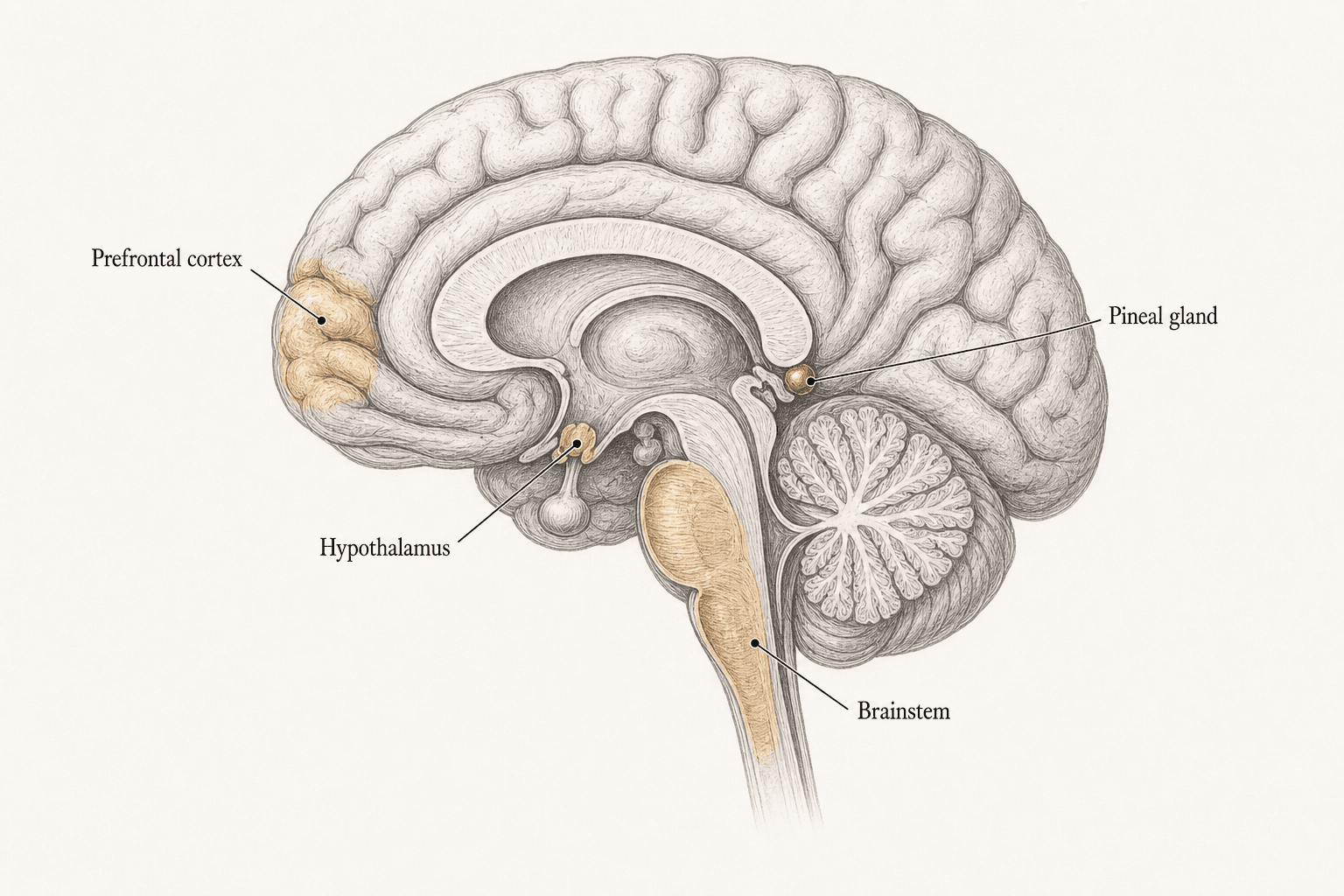
ولست مضطرّاً إلى قبول الخريطة بالإيمان من الشرق، لأنّ الغرب رسم السلّم نفسه بلغة الدماغ. أمضى عالِم التشريح العصبي بول ماكلين حياته المهنية على ، أي الملاحظة بأنّ الجمجمة البشرية تحوي ثلاثة أدمغة مرصوصة بالترتيب الذي بناها به التطوّر.
عند القاعدة يجلس المركّب الزاحفي، جذع الدماغ، المعنيّ بأمر واحد لا غير: البقاء، والإقليم، وردّ الفعل المتمثّل في القتال أو الفرار أو الانقضاض. وملتفّاً حوله الجهاز الحوفي، مقرّ العاطفة الخام والشهوة، واللذّة والغضب والدافع إلى التزاوج وإلى السيطرة. وفوقهما تجلس القشرة الجديدة، وفي مقدّمتها القشرة الجبهية الأمامية، العضو المتأخّر الهشّ للعقل وبُعد النظر والتعاطف وضبط النفس، الجزء الذي يحمل أفقاً أبعد من المكافأة التالية.
وأعلى من ذلك بعدُ، في المركز الهندسي للرأس، تجلس الغدّة الصنوبرية، العضو الذي سمّته التقاليد الباطنية دائماً مقرّ الرؤية العليا، والمتناوَل بالكامل في مقالة الغدّة الصنوبرية.
الخريطتان خريطة واحدة. البوابات الدنيا هي الدماغ الأدنى. أن تقول إنّ الطاقة مثبَّتة عند القاعدة هو أن تقول، بالمفردات الأخرى، إنّ الكائن البشري يعمل بجذع الدماغ والجهاز الحوفي من دون أن تُستدعى المراكز العليا إلى العمل قطّ. وحين يتحدّث الناس عن بلوغ الطاقة المراكز العليا في الدماغ، فهم لا يتكلّمون شعراً. إنّهم يصفون الهجرة الحرفية لمركز ثقل الشخص من أرضيّتَي الزاحف والحوفي صعوداً إلى القشرة وما وراءها.
البوابات الحيوانية الثلاث، والبوابات البشرية الأربع
ضع الخريطتين إحداهما فوق الأخرى وتتّضح حقيقة صعبة. البوابات الثلاث الدنيا هي الحيوان فينا. أمّا الأربع العليا فليست كذلك.
الزاحف، في مخطّط ماكلين، يعمل بالكامل تقريباً على جذع الدماغ: البقاء، والإقليم، وردّ فعل الانقضاض أو الضرب. تلك هي بوابة الجذر، وقلّ ما عداها. ويضيف الثديي الجهاز الحوفي، الآلية الدافئة للشهوة والترابط ورعاية الصغار، ومعها البوابتان الثانية والثالثة، اللذّة والدافع إلى السيطرة على القطيع.
والآن سِر في البوابات ولاحظ ما فعله التقليد الأقدم: علّق على كلّ واحدة منها حيواناً بعينه ليسمّي السلوك الذي يسكن فيها. الجذر يحمل الفيل، آيرافاتا، ثقيلاً لا يتزحزح، الإرادة الغاشمة للتمسّك بالأرض والبقاء. والعجزية تحمل ، التمساح تحت الماء، الشهوة المتربّصة تحت السطح، المستعدّة لجرّك إلى الأسفل. والضفيرة الشمسية تحمل الكبش، مطأطئ الرأس، إرادة النطح والاندفاع نحو القوّة. ثلاث بوابات، وثلاثة وحوش، وكلّ حيوان عاش على الأرض يوماً يعيش بالكامل ضمنها.
ثمّ يتغيّر طابع السلّم. القلب يحمل الظبي، أوّل مخلوق في القائمة لا ينقضّ ولا يندفع بل يثب، خفّةً ورشاقة، الدافع يبدأ أخيراً يتحرّك إلى ما وراء الشهوة. والحلق يحمل فيلاً أبيض، القوّة الغاشمة للجذر وقد تنقّت، قوّةً رُوِّضت إلى كلام صادق. وعند العين الثالثة والتاج لا حيوان البتّة. لم يجد التقليد وحشاً يضعه هناك، لأنّ لا وحش يبلغ هذا العلوّ. تُرِكت البوابتان العلويّتان خاليتين من أيّ مخلوق عن قصد. إنّهما الجزء من الكائن البشري الذي لا تحويه مملكة الحيوان.
للزاحف بوابة واحدة. وللثديي ثلاث. والكائن البشري هو المخلوق الوحيد على الأرض المزوَّد بأربع زيادة فوقها، ومع ذلك ما زلنا جميعاً تقريباً نعيش في الثلاث السفلى.
تأمّل هذا. لسنا حيوانات تحمل قليلاً من الذكاء الإضافي. نحن النوع الوحيد المجهَّز بمراكز لا يملكها أيّ حيوان، ومأساة الوضع البشري ليست أنّنا نفتقر إلى البوابات العليا بل أنّنا نملكها ولا نتسلّق.
قال غورجييف ذلك بوضوح قبل قرن: نحن كائنات ثلاثية الأدمغة نعيش بالكامل تقريباً من الدماغ الأدنى، آليّين نائمين، والمراكز العليا حاضرة في كلّ إنسان لكنّها مطفأة لانعدام العمل الذي يوقظها. ووصف الثيوصوفيون التطوّر الروحي برمّته بوصفه رفع نار من الأعضاء التناسلية عند القاعدة إلى الدماغ عند القمّة. وعلّم يوغاناندا أنّ أسفل العمود الفقري يربطنا بمملكة الحيوان وأنّ مراكز الدماغ العليا هي مقرّ الروح.
كلّهم يشيرون إلى خريطة واحدة. الحيوان يعيش في القاع، والإنسان ينتظر في القمّة، والمسافة بينهما هي طول العمود الفقري.
قانون النهر المسدود
الطاقة تُولَّد سواء أحببت أم لم تحبّ. إنّها الشحنة الأساسية لكونك حيّاً، الشحنة نفسها التي تملأ الجسد عند قاعدة العمود الفقري وتصعد ضغطاً يبحث عن مسار. لا يُتاح لك أن تختار هل يجري النهر. يُتاح لك أن تختار، ضمن حدود، إلى أين يذهب.
النهر المسدود لا يكفّ عن كونه نهراً. الماء يظلّ يصل. والضغط يظلّ يتراكم. والماء تحت الضغط، المحروم من القناة الصاعدة، لا يجلس بأدب خلف الجدار. إنّه يجد الشقوق. ويفجّر أضعف لُحمة. ويَخرج بقوّة من أيّ مكان يستطيعه.
لهذا لا تنجح الوعظية أبداً مع أيّ من الجوعات الأربع. قل لإنسان ألّا يكون جشعاً، ولا شهوانياً، ولا قاسياً، ولا متلهّفاً إلى أعين الجموع، فلن تغيّر شيئاً، لأنّك تناولت المنفذ وتركت الضغط من دون مساس. الطاقة التي كانت ستنفرغ جشعاً تنفرغ شيئاً آخر. التحريم ينتج بانتظام لا الفضيلة بل عرَضاً جديداً أبشع، لأنّ السدّ لم يكن قطّ هو المشكلة. المشكلة كانت أنّ النهر لم يجد إلى أين يتسلّق.
الطاقة العاجزة عن الصعود لا تستريح. إنّها تتخمّر. والجوعات الأربع ليست إلّا الأشكال الأربعة التي يتّخذها التخمّر في جسد نسي طريق الصعود.
إنّ وعد العمل الباطني برمّته، المعروض في مقالة ذهب الفلاسفة، هو خفض مقاومة الآلة البشرية حتى تحمل طاقتها من دون فقد، كما يحمل الموصِّل الفائق تيّاراً من دون أن يسرّبه حرارةً.
الجوعات الأربع هي الحرارة. إنّها ما يتبدّد إليه التيّار حين تُسدّ القناة الصاعدة ويُضطرّ النظام إلى التخلّص من شحنته احتكاكاً. الحياة التي تُدار على البوابات الدنيا تسرّب ميزانيّتها الطاقية بأكملها إلى هلع البقاء والشهوة وإرادة السيطرة ولهفة أن تُرى. ولا يبقى شيء يصعد.
فليس للقوّة سوى مصيرين على الإطلاق. إلى الأعلى، عبر البوابات، إلى الملكات التي تحكمها المراكز العليا. أو إلى الخارج، عبر أضعف بوابة دنيا، بصورة واحدة من التشوّهات الأربعة. كلّ كائن بشري يعيش إحدى هاتين الحياتين في كلّ لحظة، وكذلك كلّ حضارة، لأنّ الحضارة ليست إلّا مجموع المكان الذي يُسمح لطاقة ناسها أن تذهب إليه.
الجوعات الأربع، بوابةً بوابة
والآن سِر في البوابات الدنيا وراقب كلّ جوع يظهر بوصفه الظلّ الذي تلقيه تلك البوابة حين يتعطّل التيّار عندها.
المال هو الجذر في الخوف
البوابة الأولى، ، هي مركز البقاء. ملكتها الأمان والتجذّر. وظلّها، حين تُغلَق البوابة وتُثبَّت الطاقة عند الأرض، هو الخوف، أقدم إشارة يحملها الجسد وأبدئيّها، إنذار الزاحف الذي يقول: قد لا تنجو.
المال هو ما يبنيه ذلك الخوف حين يعجز عن الصعود. انزع التجريدات وستجد أنّ المال خوف بقاء متبلوِر، محاولة تحويل رعب الندرة إلى رقم كبير بما يكفي لإسكاته. والرقم لا يكون كبيراً بما يكفي أبداً، لأنّ الخوف لم يكن قطّ عن الرقم.
مَن يملك عشرة ملايين ولا يستطيع التوقّف عن التكديس لا يحلّ مشكلة مادية؛ إنّه يطعِم بوابة جذر بلا زرّ إيقاف. الاكتناز، وعقلية الندرة، والعجز عن الشعور بالأمان عند أيّ رصيد، والقناعة بأنّ ما من كفاية أبداً، ليست عيوب شخصية. إنّها بصمة طاقة بقاء لا تجد إلى أين تذهب سوى الدوران في حلقات في قاع الجسد.
ضاعِف هذا إلى مستوى حضارة فتحصل على الاقتصاد الذي نملكه، آلة مهندَسة لإبقاء بوابة الجذر في حالة إنذار، لأنّ الحيوان المذعور يستهلك. الدَّين أسلوب حياة، واستنزاف العالم الحيّ لإطعام أرقام ربع سنوية، واختزال كلّ علاقة إلى معاملة، ومليار إنسان يُتعِبون أنفسهم حتى المرض سعياً وراء أمان صُمِّمت البنية ألّا تسلّمه أبداً. ليس شيء من هذا إخفاقاً في الاقتصاد. إنّها شاكرا الجذر للنوع، عالقة مفتوحة تنزف خوفاً، منظَّمة في مؤسّسة.
الجنس هو العجزية تنسكب
البوابة الثانية، ، هي مركز اللذّة والدافع الخالق، وهي البوابة التي يحبس عندها العالم الحديث الجميع تقريباً عن قصد. وظيفتها السويّة توليدية، الطاقة نفسها التي تصنع حياة جديدة، والتي، إذا رُفِعت، تصنع عملاً جديداً. وظلّها هو التسريب: شهوة منفلتة من المعنى، لذّة تُلاحَق غايةً في ذاتها حتى تلتهم ملاحِقها.
لقد صنّع عصرنا هذا الجوع بصورة أشمل من أيّ عصر قبله. الموجز الإباحي، والصورة المهندَسة، والخوارزمية المضبوطة لإشعال البوابة الثانية ألف مرّة في اليوم، اقتصاد الانتباه برمّته آلية لإبقاء الطاقة مثبَّتة هنا بالضبط، مُنفَقة قبل أن تستطيع التسلّق.
والكلفة ليست شخصية وحسب، الصباحات المثقلة والملكات العليا المُسكَتة المرسومة في مقالة التحويل. على نطاق واسع هي تسليع الجسد، واختزال البشر الآخرين إلى موضوعات للشهوة، والاتّجار باللحم، والموت البطيء للحميمية في ثقافة خلطت التحفيز بالتواصل. المجتمع الذي يسكب قوّته الخالقة من البوابة الثانية ينتج قدراً كبيراً من التحفيز ولا يكاد ينتج خلقاً، وقدراً كبيراً من التماس ولا يكاد ينتج حبّاً.
السلطة هي النار حُوِّلت إلى سيطرة
البوابة الثالثة، ، هي مركز الإرادة والقوّة الشخصية، نار الفاعلية، القوّة التي تتيح للمرء أن يفعل في العالم وأن يحمل انضباطاً عبر السنين. لا شيء خطأ في النار. النار ضرورية. ويظهر التشوّه حين تبقى البوابة التي فوقها، القلب، مغلقة، فلا تجد الإرادة ما تخدمه سوى نفسها. عندئذ تكفّ القوّة عن أن تعني القدرة على الفعل وتبدأ تعني القدرة على السيطرة، على تصغير الآخرين كي يشعر المرء بالكِبَر.
هذا هو الجوع الذي يكتب أسوأ ما في التاريخ. الحرب، والطغيان، والقسوة لذاتها، الجهاز برمّته الذي يُخضِع به كائن بشري واحد أو أمّة واحدة الآخرين لإرادته، هو المانيبورا والقلب مغلق فوقه.
رسم ديفيد هوكينز التمييز بدقّة في عمله على مستويات الوعي: القوّة الغاشمة والقوّة الحقّة نقيضان لا مترادفان. القوّة الغاشمة هي الأدنى، السيطرة، والإكراه، والقبضة، وهي تتطلّب دائماً مزيداً من القوّة الغاشمة لتدوم لأنّها تولّد مقاومة. أمّا القوّة الحقّة، من النوع الذي لا يحتاج إلى الإكراه، فتعيش أعلى ولا تطلب شيئاً من الناس حولها. الطاغية يملك القوّة الغاشمة ولا قوّة حقّة له، ولهذا هو خائف أبداً، ولهذا تكلّف إمبراطوريّته دائماً، في نهاية المطاف، أكثر ممّا تغلّ.
رأى رينيه جيرار المحرّك تحت ذلك. نحن لا نرغب في الأشياء مباشرة؛ نرغب فيها لأنّ الآخرين يرغبون فيها، وهذا التنافس المحاكي يتصاعد، يدان تمتدّان إلى الشيء نفسه حتى يصير الامتداد هو المقصود ويُنسى الشيء. التنافس يولّد العنف، والعنف يولّد المزيد، وتفرّغ المجتمعات الضغط المتراكم على ضحيّة، كبش الفداء، سلام مؤقّت يُشترى بالدم.
تلك هي البوابة الثالثة على نطاق الحضارة: إرادة القوّة، مضروبةً عبر الملايين، تُطلَق دورياً حرباً. إنّه أقدم نمط نملكه، وهو بالضبط نمط الطاقة العاجزة عن الصعود.
الشهرة هي التاج مزوَّراً
الجوع الرابع هو الدقيق، وما إن تراه حتى تنغلق الصورة كلّها في مكانها.
الشهرة لا تنطبق بنظافة على بوابة دنيا كما ينطبق المال والجنس والسلطة. وذلك لأنّ الشهرة ليست جوعاً أدنى البتّة، بل هي أسمى توق في الكائن البشري يلبس قناعاً.
التاج، ، هو بوابة الاتّحاد، الموضع الذي تنحلّ فيه الذات المنفصلة عائدةً إلى الكلّ، وتصير، بلغة كلّ تقليد، معروفةً لكلّ شيء، متّحدةً بكلّ شيء، لم تَعُد تخاف الموت لأنّها لم تَعُد نفسها وحسب. ذلك هو أعمق رغبة يحملها المرء، تحت كلّ الرغبات الأخرى: أن يتّحد من جديد بالمصدر، أن يحمله الكلّ، ألّا يكون وحيداً، ألّا ينتهي.
والآن خذ ذلك التوق اللانهائي إلى الاتّحاد بالله وثبّته في قاع الجسد، حيث يعجز عن بلوغ موضوعه الحقيقي. إنّه لا يتلاشى. بقانون النهر المسدود، لا بدّ أن يَخرج. وأقرب زيف للاتّحاد بالكلّ، المتاح لذات عاجزة عن الصعود، هو أن تُرى من الكلّ.
التوق إلى أن تُعرَف لكلّ شيء يصير التوق إلى أن تُعرَف لكلّ أحد. والتوق إلى الانحلال في الكلّ يصير التوق إلى أن يعبدك الجمهور. ولهفة الأبدي تصير لهفة أن يُتذكَّر المرء، أن يترك اسماً، ألّا يُنسى. الشهرة هي تزييف الأنا للتسامي. إنّها حنين شاكرا التاج إلى الوطن، مُساءُ توجيهه إلى أدنى مرآة ممكنة.
سمّى إرنست بيكر الآلية من دون لغة الشاكرا. الحيوان البشري، الواعي على نحو فريد بأنّه سيموت، يقضي حياته في ما سمّاه مشروع الخلود، إنجاز رمزي ما سيعمّر بعد الجسد ويخدع الموت من نهائيّته. الشهرة هي أنقى مشروع خلود على الإطلاق، المساومة على شراء نوع من اللاموت في ذاكرة الآخرين.
لكنّ ذاكرة الآخرين ليست الأبدية، والجمهور ليس الله، ولذلك لا يُشبَع الجوع أبداً، لأنّ المشهور مدّ يده إلى الاتّحاد بالكلّ فأطبقها على إعجاب الغرباء. لقد نال كلّ شيء عدا الشيء الوحيد الذي أراده فعلاً.
الشهرة هي حنين التاج إلى الوطن مصوَّباً نحو المرآة الخطأ. الروح تريد أن تتّحد بكلّ شيء؛ والذات المتعطّلة ترضى بأن يراها كلّ أحد.
لهذا فإنّ عصرنا، الذي أتاح الشهرة للعامّة وجعل مشروع الخلود الصغير في متناول كلّ مَن يملك هاتفاً، يبدو معذّباً إلى هذا الحدّ. لقد بنينا آلة تأخذ أعمق توق روحي في النوع، التوق إلى الله، وتحوّله إلى مقياس انتباه، ثمّ تبيعنا السعي وراء ذلك المقياس بوصفه حياة. عبادة أن تُرى، والمؤثِّر بوصفه شخصية العصر المميِّزة، والغرور والمقارنة واليأس الصامت تحت الصورة المنمَّقة، هي التاج المزيَّف يعمل على نطاق كوكبي. إنّها أحزن الجوعات الأربع، لأنّها أقدسها، مقلوباً.
الخطايا السبع هي البوابات السبع تخفق
الجنس والسلطة والمال والشهرة تسمّي أعلى البوابات صوتاً، الأربع التي تُقرأ تشوّهاتها على أيّ صفحة أولى. والتقليد الأخلاقي الأقدم كان أدقّ. لم يتوقّف عند الأربع. سمّى إخفاقاً بعينه لكلّ مركز، خطيئةً لكلّ بوابة، وسمّاها مميتة لأنّ كلّ واحدة منها، إذا تُركت تعمل، تلتهم الشخص الذي تسكن فيه.
القائمة التي ورثناها، الجشع والشهوة والشره والحسد والغضب والكسل والكبرياء، انحدرت عبر راهب الصحراء إيفاغريوس والبابا غريغوريوس الكبير، وُلِدت في عالم مسيحي لم يسمع قطّ بشاكرا. والبوابات السبع انحدرت عبر النصوص التانترية في الهند، التي لم تسمع قطّ بتعليم مسيحي.
صهر الثيوصوفيون النظامين ثمّ صهرهما يونغ، الذي قرأت ندواته عام 1932 الصعود في البوابات بوصفه الصعود نحو ذات متكاملة. الاقتران نظيف على نحو غريب، وهو نظيف لسبب: كلتا القائمتين كانت تصف الحيوان نفسه من جانبين مختلفين.
سِر فيها مرّة، من الأرض صعوداً، كلّ منها ببوابتها وخطيئتها وما تعطيه البوابة نفسها حين تُحفَظ مفتوحة لا مغلقة.
- الجذر، الجشع. مغلقاً، تعمل بوابة البقاء اكتنازاً وندرةً وارتياباً، الخوف من ألّا تكون هناك كفاية أبداً. مفتوحاً، يعطي المركز ذاته التجذّر والشجاعة والأمان وصبر البناء. هذه هي بوابة المال.
- العجزية، الشهوة. مغلقة، تعمل شهوةً مقطوعةً عن الحبّ، إدماناً، هوساً، الجسد مختزَلاً إلى أداة. مفتوحة، تعطي الإبداع واللذّة الصحّية والتدفّق الحرّ للشعور. هذه هي بوابة الجنس.
- الضفيرة الشمسية، الشره. بوابة النار تخفق بطريقتين: شهوةً لا تُملأ أبداً، ثمّ، حين ينقل الكتّاب الأقدمون الغضب إلى أسفل في اللهب، سيطرةً وكبراً وحدّةً تصغّر الآخرين. مفتوحة، تعطي النار نفسها الإرادة والثقة والانضباط الذي يحفظ حياة متماسكة عبر السنين. هذه هي بوابة السلطة.
- القلب، الحسد. مغلقاً، يتخثّر القلب حسداً، الجرح الذي يقيس نفسه على كلّ أحد، ومرارةً وبرودةً أو حبّ الشهيد الخانق. مفتوحاً، يعطي الرحمة والمغفرة وانحلال الخطّ بين الذات والآخر.
- الحلق، الغضب. مغلقاً، يصير الصوت سلاحاً: غضباً وكذباً ونميمة وقسوة، أو صمت الحقيقة المخنوق الذي لا يُنطَق. مفتوحاً، يعطي الكلام الواضح الصادق، والموهبة الأندر، أن يصغي المرء فعلاً.
- العين الثالثة، الكسل. الخطيئة هنا ليست التكاسل بل ، الكسل الروحي، رفض الرؤية، البلادة المقصودة التي تبقي العين الباطنة مغلقة. مفتوحة، تعطي البوابة البصيرة والحدس والنفاذ إلى بنية الأشياء.
- التاج، الكبرياء. أعلى بوابة تحمل أعلى خطر: الكبرياء، الذات تتوّج نفسها في موضع الله، عقدة الألوهية لمن يخلط لمحةً من القمّة بامتلاكها. مفتوحاً، يعطي المركز ذاته الحكمة والاتّحاد والحضور. هذه هي البوابة التي تزيّفها الشهرة، والكبرياء هو الزيف بالضبط، التوق إلى أن يُعبَد المرء قائماً مقام التوق إلى الانحلال.
لاحظ شكلها. كلّ بوابة تخفق باتّجاهين، تفريطاً أو إفراطاً، الانهيار والفائض، والخطيئة المميتة هي الفائض دائماً تقريباً. الخطيئة والمجد يسكنان العنوان نفسه. المركز الذي ينتج الجشع ينتج الشجاعة. والنار التي تصير سيطرة تصير انضباطاً. والبوابة التي تتخثّر كبرياءَ تنفتح حكمةً. الخطيئة ليست البوابة قطّ. الخطيئة هي البوابة محفوظةً مغلقة، التيّار يصل فلا يجد طريقاً صاعداً.
عالم مصنوع من تيّار متعطّل
اقرأ أخبار أيّ يوم، وما من شيء في فهرس البؤس البشري تقريباً لا ينحلّ، عند الفحص، إلى واحد من هذه الأربعة، أي إلى التيّار الواحد ينفرغ عبر إحدى البوابات الدنيا لأنّه يعجز عن الصعود.
لقد بنينا، للمرّة الأولى في التاريخ، تقنية نموذج عملها بأكمله إبقاء التيّار في القاع. الموجز مهندَس لإشعال البوابة الثانية فلا تصعد الطاقة أبداً، ولتأجيج ندرة البوابة الأولى فنستهلك، ولإذكاء تنافس البوابة الثالثة فنبقى غاضبين منشغلين، ولتدلية الخلود المزيَّف للبوابة الرابعة فنبقى نمثّل أمام الجمهور.
الآلة لا تربح من كائن بشري ارتفعت طاقته إلى القلب، لأنّ مثل هذا الشخص يريد القليل جدّاً، ويخاف القليل جدّاً، ولا يسيطر على أحد، ولا يحتاج إلى أن يُرى. الجهاز برمّته، صمّمه أحد على هذا النحو أم لم يصمّمه، سدّ مبنيّ عبر العمود الفقري البشري على نطاق صناعي.
لم نخفق في رفع التيّار وحسب. بل بنينا آلة يتوقّف ربحها على إبقائه عند الأرض.
لهذا تتفاقم المشكلات بدل أن تنحلّ، مهما رمينا عليها من ثروة أو قانون أو تقنية. لا تستطيع إصلاح مشكلة هيدروليكية بمحاضرة أخلاقية، ولا تستطيع إصلاحها بسدّ أفضل. وطالما طاقة المليارات محفوظة عند البوابات الثلاث الدنيا وتُحلَب هناك، فإنّ التشوّهات ليست عللاً في النظام بل هي النظام نفسه، يعمل بالضبط كما يجب أن يعمل نظام مثبَّت عند الأرض.
لماذا لا يُشرَّع، بل يُرفَع فقط
اتبع المنطق إلى نهايته فتتساقط الحلول المعتادة واحداً واحداً. مزيد من القوانين ضدّ الجشع يترك خوف البقاء من دون مساس فيظهر الجشع أداةً أمكر. مزيد من العار حول الشهوة يدفع الشهوة إلى الخفاء ويكثّفها. مزيد من القوّة الغاشمة ضدّ الطغاة يولّد الطاغية التالي، لأنّ القوّة الغاشمة هي البوابة الثالثة، والردّ عليها بمثلها لا يفعل سوى إطعام البوابة. مزيد من الوعظ حول الغرور في ثقافة جائعة إلى التسامي ضجيج في أذن روح خلطت أن تُرى بأن تُخلَّص. كلّ مقاربة تعمل على المنفذ تخفق، لأنّ المنفذ لم يكن قطّ هو السبب.
ثمّة حركة واحدة بالضبط تتناول السبب، وهي الحركة التي أشارت إليها التقاليد الباطنية منذ ثلاثة آلاف سنة. أن تغيّر إلى أين تذهب الطاقة. أن تفتح القناة صعوداً. الدافع الذي بنى كلّ كائن حيّ ليس لك أن تلغيه، بل لك أن توجّهه، والأمر نفسه يصدق على الجوعات الأربع جميعاً دفعةً واحدة، لأنّها الدافع نفسه.
أنت لا تهزم الجشع والشهوة وإرادة السيطرة ولهفة الشهرة واحدةً واحدة. أنت ترفع التيّار الواحد الذي كان ينفرغ بصورها الأربع جميعاً، وإذ يرتفع، يكفّ عن الوصول إلى البوابات التي أنتجتها. البوابات الدنيا لا حاجة إلى محاربتها. بل لا بدّ من تجاوزها.
وتجاوزها ليس استعارة بل ممارسة. مكتبة كريا يوغا الكاملة تضع الكريات المحدّدة التي تعمل على كلّ مركز من العمود الفقري.
ما الذي ينفتح فوق الأرض
فوق البوابة الثالثة يجلس القلب، ، وهو محور الصعود برمّته، لأنّ القلب هو أوّل بوابة تبدأ عندها الذات المنفصلة تنحلّ. تحته، كلّ شيء عن الذات: بقائي، ولذّتي، وقوّتي، واسمي. عند القلب، للمرّة الأولى، يبدأ الحدّ بيني وبينك يرقّ.
الرحمة هي ما يشعر به التيّار حين يتسلّق فوق البوابات التي لا تعرف سوى الذات، لا زينة أخلاقية تُضاف إلى حيوان أناني. مَن تعيش طاقته في القلب لا حاجة إلى أن يُقال له ألّا يستغلّ الآخرين، لأنّ الآخرين لم يعودوا يبدون منفصلين عنه تماماً. لقد صارت الوصيّة إدراكاً.
وفوق القلب، الحلق، ، بوابة الحقيقة والصوت الأصيل، حيث يبدأ ما يقوله المرء يحمل وزناً لأنّه لم يعد في خدمة الجوعات الدنيا.
وفوق ذلك، العين الثالثة، ، مقرّ الغدّة الصنوبرية والرؤية التي تنفذ إلى بنية الأشياء لا إلى سطحها، وهذا بالضبط سبب أهمّية الغدّة الصنوبرية المتكلّسة المختومة عند البالغ الحديث، وسبب كون إزالة تكلّسها شرطاً مسبقاً لأيّ من هذا.
وعند القمّة، التاج، حيث يجد التوق الذي تزيّفه الشهرة موضوعه الفعلي، الاتّحاد، لا مع الجمهور، بل مع الكلّ.
هذا قابل للقياس، وقد قِيس. حين وضع الباحثون متأمّلين على المدى الطويل في الماسحات، ظهر أمران يرتسمان بدقّة على هذا الصعود. الأوّل أنّ في الدماغ، أي دارة الأنا المتمحورة حول الذات، الجزء الذي يدير قصّة بقائي ومكانتي وصورتي، تهدأ على نحو ملحوظ، وهي البصمة العصبية لانحلال الذات الذي تصفه بوابة القلب بالضبط.
والثاني أنّ البارعين في الممارسة العميقة يولّدون تزامن موجات غاما عالية السعة عبر القشرة، مراكز الدماغ العليا تضيء وتترابط معاً على مستوى نادراً ما يُرى في غير ذلك. الذات الدنيا تهدأ والدماغ الأعلى يبدأ العمل. لقد بلغ التيّار، بالمفردات الأخرى، المراكز العليا في الدماغ. والخريطتان، مرّة أخرى، الخريطة نفسها.
اثنان في المئة
سمعت الرقم. نحن نستخدم جزءاً صغيراً من الدماغ، اثنين في المئة، عشرة في المئة، رقماً واثقاً يُستحضَر للإيحاء باحتياطي نائم شاسع. وهو، بوصفه تشريحاً عصبياً، باطل، وجدير بالتقاعد. تُظهِر التصويرات الحديثة أنّ كلّ منطقة من دماغ سليم تقريباً نشطة عبر يوم عادي. ما من أقاليم مظلمة غير مستخدَمة. جلطة صغيرة في أيّ موضع تقريباً تكلّفك شيئاً بعينه، وهو ما لا يمكن أن يصدق لو كانت تسعة أعشار النسيج جالسة عاطلة.
الدماغ نحو اثنين في المئة من كتلة الجسد ويحرق نحو خُمس طاقته،footnoteالتفاوت حقيقي ومقيس جيّداً، انظر Herculano-Houzel حول ميزانية طاقة الدماغ. العضو مُكلِف أيضياً إلى حدّ مُهلِك بالضبط لأنّه منشغل، لا لأنّه عاطل. الدماغ الذي تطلق فيه كلّ الخلايا العصبية دفعةً واحدة ليس عقلاً خارقاً. إنّه التعريف السريري لنوبة صرع كبرى. وهو بهذه الكلفة بالضبط لأنّه يعمل لا لأنّه يستريح.
ينجو الرقم لأنّه يمدّ يده، بخرَق، نحو شيء صحيح. النقص في الوعي البشري العادي هو الترابط لا مقدار النسيج المستخدَم. العقل غير المدرَّب يعمل مفتَّتاً، مناطقه تطلق خارج الطور، الإشارة مشوّشة، ثرثرة شبكة الوضع الافتراضي المتمحورة حول الذات تطحن طوال اليوم كمحرّك لا يهدأ إلى السكون. الآلة مغذّاة بالكامل ومضبوطة سوءاً.
حين يرتفع التيّار، لا يستيقظ نسيج نائم. بل يبدأ الدماغ يطلق كأنّه واحد. أوضح دليل هو نتيجة غاما التي صادفناها قبل لحظة، من لوتز وديفيدسون: متأمّلون على المدى الطويل ساقطون في وعي مفتوح أنتجوا أعلى تذبذبات غاما سعةً وأوسع تزامن عبر مناطق موزّعة سُجِّل قطّ في دماغ بشري سليم، بينما هدأت الشبكة التي تدير قصّة الذات المنفصلة. لا دماغ أكثر. بل قدر أكبر من الدماغ ينبض معاً، وقدر أقلّ منه ضائع في ضجيج الأنا.
اثنان في المئة لم يكونا قطّ عن كم من الدماغ تستخدم. بل عن كم منه تستطيع أن تجعله يطلق كأنّه واحد.
هذا ما كانت التقاليد تمدّ يدها إليه بلغة الشحنة والتيّار. الشحنة ليست قراءة فولتميتر فجّة على الحبل؛ إنّها إعادة تنظيم، جسد ودماغ يستقرّان في ترابط أعظم بكثير وتسريب أقلّ بكثير، وهي بالضبط لغة ذهب الفلاسفة، الآلة تحمل أخيراً طاقتها من دون فقد.
الدماغ المتيقّظ ليس أكبر، وليس يسحب من تسعين في المئة خفيّة. إنّه في الطور. كانت الدعوى القديمة تشير إلى هذا طوال الوقت: الشخص العادي يشغّل جزءاً فقط من إمكان الدماغ المنسَّق، لا لأنّ النسيج مفقود بل لأنّ الجهاز العصبي يعجز بعدُ عن جمع مناطقه في إيقاع واحد دفعةً واحدة. أمّا الجهاز العصبي المدرَّب المتيقّظ فيحقّق ذلك التزامن بالضبط، أوسع فعل مفرد من الترابط العصبي تمكّن أحد من قياسه. ذلك، لا تسعة أعشار نائمة، هو الدماغ الذي تشغّله البوابات العليا.
الله فوق كلّ شيء، بوصفه الآلية الفعلية
انظر إلى ما تشترك فيه الجوعات الدنيا الأربع. المال هو الذات تدافع عن بقائها. والجنس، مشوَّهاً، هو الذات تستهلك للذّتها. والسلطة هي الذات تتضخّم على الآخرين. والشهرة هي الذات تسعى إلى أن تكون أبدية. كلّ واحدة منها حركة للذات المنفصلة، تؤكّد، وتدافع، وتعظّم، وتديم الأنا التي تقف منفصلة عن كلّ شيء آخر. البوابات الدنيا ليست أربع مشكلات مختلفة. إنّها أربعة تعبيرات عن حالة كامنة واحدة: القناعة بأنّي شيء منفصل، وحيد في عالم من أشياء منفصلة أخرى، ولذلك لا بدّ أن أؤمّن نفسي وأُشبِعها وأُسيطر بها وأُخلّدها قبل أن يطبق الظلام.
وبوابة القلب، محور الصعود برمّته، ليست سوى ارتخاء تلك القناعة بالضبط. لا يستطيع التيّار تجاوز القلب ما دامت الذات تصرّ على انفصالها، لأنّ تجاوز القلب هو انحلال الانفصال. لا يفتح البوابةَ قطّ أيّ قدر من الجهد المصوَّب نحو الأعراض. لا تستطيع أن تدافع عن الذات المنفصلة وتُشبِعها وتُسيطر بها وتُخلّدها وصولاً إلى الإدراك بأنّه لا ذات منفصلة أصلاً. الحركة في الاتّجاه الخطأ.
هذا هو ما يعنيه فعلاً، ميكانيكياً، أن تضع الله فوق كلّ شيء. ليس قاعدة تُفرَض على الحياة من الخارج، ضريبة طاعة تُجبى على حيوان أنانيّ لولاها، بل هو الفعل الواحد الذي يخلع الذات المنفصلة عن عرشها ويتيح للتيّار أن يصعد. أن تضع الله فوق كلّ شيء هو أن تكفّ عن وضع الذات فوق كلّ شيء، ووضع الذات فوق كلّ شيء هو الانسداد بالضبط الذي يحبس الطاقة عند البوابات الثلاث الدنيا.
الوصيّة الأولى ليست اعتباطية. إنّها وصف للحركة الواحدة التي تفتح الكائن البشري. والإدراك الذي يتبعها، أنّ ثمّة ألوهية واحدة حاضرة في كلّ الأشياء وكلّ الناس، ليس عقيدة تُعتقَد، بل هو ببساطة كيف يبدو العالم من فوق القلب، حين يسقط جدار الانفصال ويجري التيّار عبر البوابات العليا بداهةً.
أن تضع الله فوق كلّ شيء ليس وصيّة وُضعت فوق الحياة. إنّه الفعل الواحد الذي ينزل بالذات عن العرش، والذات على العرش هي السدّ.
هذا هو الخيط الذي يسري بعينه عبر كلّ تقليد تأمّلي، ما سمّاه ألدوس هكسلي الفلسفة الخالدة، التعليم الواحد الذي يطفو على نحو مستقلّ في الفيدانتا، وفي الطاوية، وعند المتصوّفة المسيحيين، وفي التصوّف الإسلامي، وفي دارما البوذية: أنّ ثمّة أرضاً إلهية لكلّ وجود، وأنّ أعمق ذات في الكائن البشري واحدة معها، وأنّ غاية الحياة أن تحقّق تلك الوحدة فعلاً لا نظراً وحسب.
وويليام جيمس، إذ درس التقارير الخام للتجربة الدينية بوصفه عالِماً، وجد الثابت نفسه تحت رواية كلّ ثقافة: الإحساس بذات أوسع والمصالحة معها، يصل إذ يتراجع الوعي الأدنى القلق المدافع عن نفسه.
كتاب التاو تي تشينغ يصف الحكيم الذي لا ينازع ولذلك لا يُنازَع، البوابة الثالثة منحلّةً في القلب. والغيتا تصف الفعل المُهدى لا المُتشبَّث به، إرادة البوابة الثالثة مسلَّمةً لما هو فوقها. كلّها أوصاف لتيّار سُمِح له بالصعود من ذات تنحّت أخيراً عن طريقها.
الدورة القادمة
فتصوّر، أخيراً، ما يكون عليه مستخدِم كلّ هذه الطاقة فعلاً حين تجري في الاتّجاه الآخر، لا في بارع نادر واحد، بل بوصفه الحالة العادية لشعب بأكمله.
الكائن البشري الذي تعيش طاقته عند القلب وما فوقه لا حاجة إلى أن يُقال له ألّا يكتنز، لأنّ خوف البقاء الذي يقود الاكتناز قد جُووز. ولا حاجة إلى أن يُقال له ألّا يستغلّ، لأنّ ما من أحد بقي واقفاً بعيداً بما يكفي ليُستغَلّ. ولا حاجة إلى أن يُقال له ألّا يسيطر، لأنّ السيطرة لم يعد لها ما تطعمه. ولا حاجة إلى أن يُقال له ألّا يطارد أعين الجمهور، لأنّ التوق الذي تزيّفه الشهرة قد وجد موضوعه الحقيقي وسكن.
لمثل هذا الشخص، كلّ فضيلة نعلّمها ونشرّعها ونفرضها الآن ليست سوى الشكل الطبيعي لطاقته. الخير ليس مجهِداً. إنّه ما يتبقّى حين تكفّ التشوّهات عن التولّد.
والآن تخيّل ذلك بوصفه الحالة السكونية لعدد كافٍ من الناس حتى يصير نسيج حضارة. لن تحتاج الحرب إلى أن تُحرَّم؛ ستصير لا تُتصوَّر بقدر ما هي عقيمة لدى شعب لا يتعطّل تيّاره عند البوابة التي تنتجها. ولن يحتاج الاقتصاد المفترِس إلى أن يُنظَّم إذعاناً؛ فالخوف الذي يعمل عليه لن يكون موجوداً لاستغلاله.
والاتّجار بالأجساد، وعبادة الغرور، والفهرس كلّه من التشوّهات، لن تُقمَع. ستفقد وقودها وحسب. هذا هو التطوّر القادم، وليس خيالاً عن تغيير الطبيعة البشرية بل هو الطبيعة البشرية والتيّار مسموح له أخيراً بالصعود في القناة التي بُني دائماً ليتسلّقها.
العصر الذي يجب أن يُعلَّم فيه الخير هو عصر البوابات الدنيا. والعصر التالي هو العصر الذي لم يعد فيه بحاجة إلى أن يُنطَق، لأنّه صار الهواء.
وهذه أعمق علامة على التحوّل، الشيء الذي يخبرك أنّ دورة قد انقلبت لا تحسّنت وحسب. الآن، كلّ هذا يجب أن يُعلَّم. نحتاج إلى الكتب المقدّسة، والمواعظ، والقوانين، والمقالات، والتذكير المجهِد الدائم لنوع يظلّ ينسى، بالضبط لأنّ الحالة السكونية الطبيعية لشخص عالق عند البوابات الدنيا هي النسيان. التعليم دائماً علامة على عجز؛ لا يلزم أن يُقال لك إلّا ما لا تعيشه أصلاً.
الدورة القادمة للبشرية هي التي لم يعد فيها إدراك الوحدة والألوهية في كلّ الأشياء بحاجة إلى أن يُعلَّم البتّة، لأنّه كفّ عن أن يكون تعليماً وصار حقيقة إدراك، كما لا يلزم أن يُعلَّم لك أنّ السماء فوقك. نهاية عصر البوابات الدنيا هي العصر الذي تصمت فيه أسمى الأشياء أخيراً، لا لأنّها نُسيت، بل لأنّها تحقّقت تحقّقاً تامّاً حتى لم يعد ثمّة ما يُقال عنها. ينتهي التعليم حين يصير المُعلَّم الهواء الذي يتنفّسه الجميع.
ذلك هو الخيار، وهو الخيار نفسه لشخص واحد وللكلّ. التيّار يرتفع فيك الآن، كما هو دائماً، بوصفه الشحنة البسيطة لكونك حيّاً.
سيذهب إلى الأعلى، عبر البوابات، إلى الملكات التي تبني البشر والعالم الذي نقول إنّنا نريده. أو سيذهب إلى الخارج، عبر الأرض، بصورة واحدة من الجوعات الأربع، مضروبةً عبر المليارات ومضخّمةً بآلة بُنيت لإبقائها هناك، إلى العالم الذي نملكه أصلاً.
الحركة الواحدة التي تفتح الطريق هي أقدم تعليمة على الإطلاق، التي تتبيّن، حين تفهم الآلية أخيراً، أنّها هندسة محضة: انزِل بالذات عن العرش، وضع الله فوق كلّ شيء، ودع التيّار يتسلّق.
وفي اللحظة التي تفهم فيها أنّ التيّار لا بدّ أن يتسلّق، يكفّ السؤال عن أن يكون لماذا ويصير: كيف. بأيّ تقنية محدّدة يُمسك إنسان بأعمق طاقة في الجسد ويسوقها صعوداً في العمود الفقري، بوابةً بوابة، عن قصد. ثمّة علم لم يُبنَ لشيء سواه. ظلّ مصوناً، من معلّم إلى تلميذ مستعدّ، طوال أغلب التاريخ المدوَّن، وهو الفصل التالي.
Sources
- The Serpent Power, . https://openlibrary.org/works/OL8421143W
- Autobiography of a Yogi (1946 First Edition), . https://www.ananda.org/support/files/2017/11/AYEbookDownload.pdf
- Practice of Brahmacharya, . https://www.dlshq.org/download2/brahmacharya.pdf
- Power vs. Force, . https://openlibrary.org/works/OL6212873W
- The Denial of Death, . https://openlibrary.org/works/OL154572W
- Violence and the Sacred, . https://openlibrary.org/works/OL36015017W
- The Perennial Philosophy, . https://openlibrary.org/works/OL64463W
- The Varieties of Religious Experience, . https://www.gutenberg.org/ebooks/621
- The Triune Brain in Evolution, . https://openlibrary.org/works/OL4787571W
- Meditation Experience Is Associated with Differences in Default Mode Network Activity and Connectivity, . https://www.pnas.org/doi/10.1073/pnas.1112029108
- Long-Term Meditators Self-Induce High-Amplitude Gamma Synchrony during Mental Practice, . https://www.pnas.org/doi/10.1073/pnas.0407401101
- In Search of the Miraculous, . https://openlibrary.org/works/OL7967275W
- The Chakras, . https://openlibrary.org/works/OL53410W
- The Psychology of Kundalini Yoga, . https://openlibrary.org/works/OL95140W
- Scaling of Brain Metabolism with a Fixed Energy Budget per Neuron, . https://doi.org/10.1371/journal.pone.0017514