
Singer Technologies
AI systems for the whole enterprise.
We design, build, and operate AI operating layers: systems that find the money a business is losing, decide with evidence, and run the daily operation. 50+ platforms delivered for clients over the last 9 years.
Why businesses engage us
Put AI inside the operation, and the numbers move.
Singer Technologies wires AI into the work itself: enquiries, quotes, scheduling, stock, claims, reporting, follow-up. Agents carry the repeatable load around the clock while your people approve what matters, so the same team serves more customers and runs more branches without growing payroll.
- Revenue
- Nothing waits. Enquiry, quote, follow-up and fulfilment run day and night, so demand converts instead of queueing.
- Cost
- The repeatable load moves to agents, and payroll goes to judgement instead of data entry.
- Scale
- The next branch inherits the whole system on day one: pricing, stock, reporting, controls.
- Profit
- Revenue rising on a flat cost base is margin. The operating layer exists to widen it.
Built in days and weeks, and measured on your own numbers.
What we build
Six layers, one system. Every engagement lands somewhere on this stack, and the layers are built to run together.
Operating layers
One system underneath the business. It holds your information, drafts the work, and completes tasks, with a person approving anything that matters.
AI agents and automation
Specialised agents that read, decide and act inside authority you write down, with every action logged.
Full platforms, web and mobile
Complete products your team actually uses: screens, permissions, reporting, and the data underneath.
Data and integration
Your ERP, CRM and legacy systems speaking to the new one, reconciled and traceable.
Robotics and embodied AI
Pilot-first humanoid programs that put the operating layer on legs, led by our robotics practice.
Brand and creative systems
Films, websites, identity and campaign engines, built to the same standard as the engineering.
Leadership
The executive team.
Every engagement at Singer Technologies is scoped, gated, and answered for by these three people.
Humans03

Sam Singer
Founder and Chief Engineer

Joseph Singer
Lead Robotics Platform Engineer

Sophie S.
Chief Marketing Officer
Engineering team
The human engineers.
Eight builders across project management, platform, full stack, front end, design, and blockchain. Real people, on real payroll, working under the board.
Engineers08
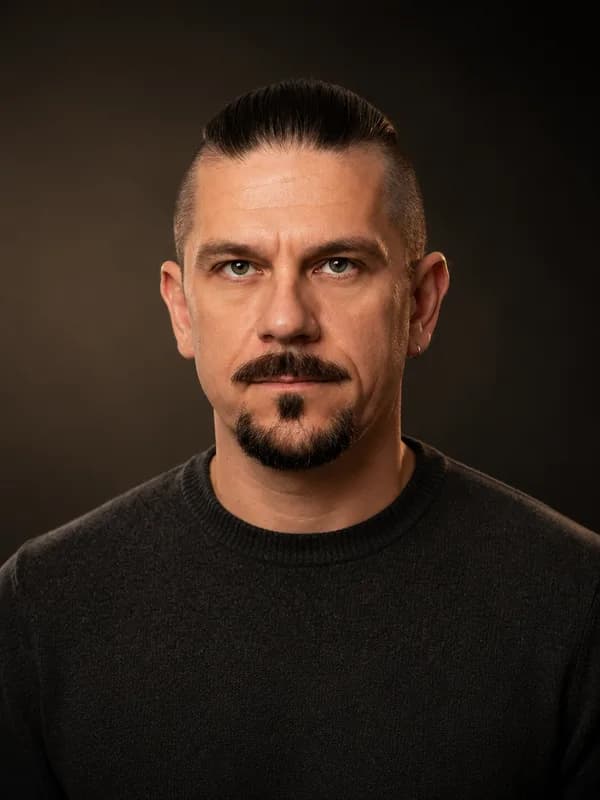
Denis Gordin
Project Manager
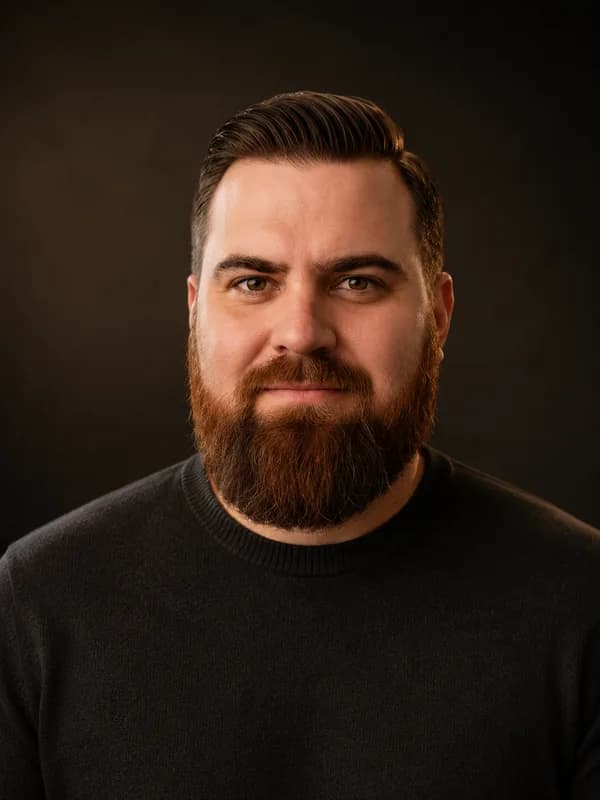
Kirill Drozdov
Platform Engineer

Ilya Morozov
Full Stack Developer
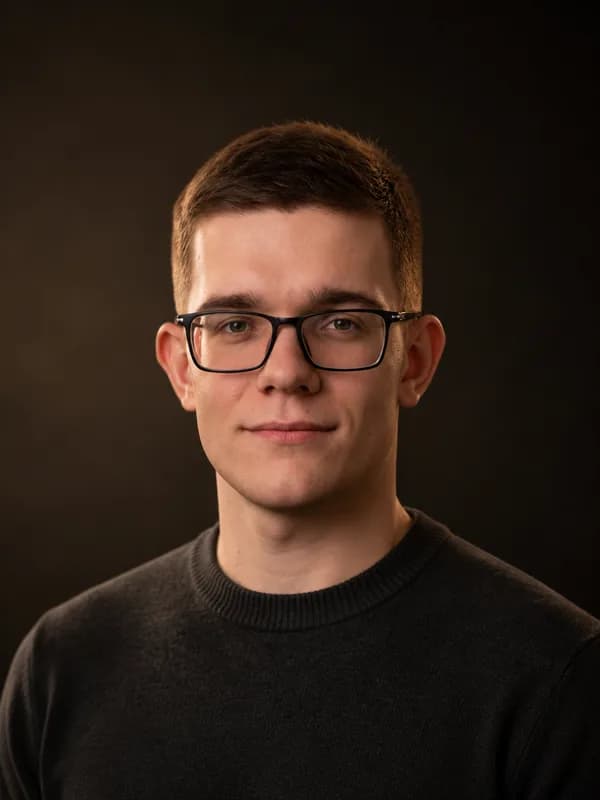
Ruslan Gordin
Front End Developer

Svetlana Sobolevckaya
Full Stack Developer
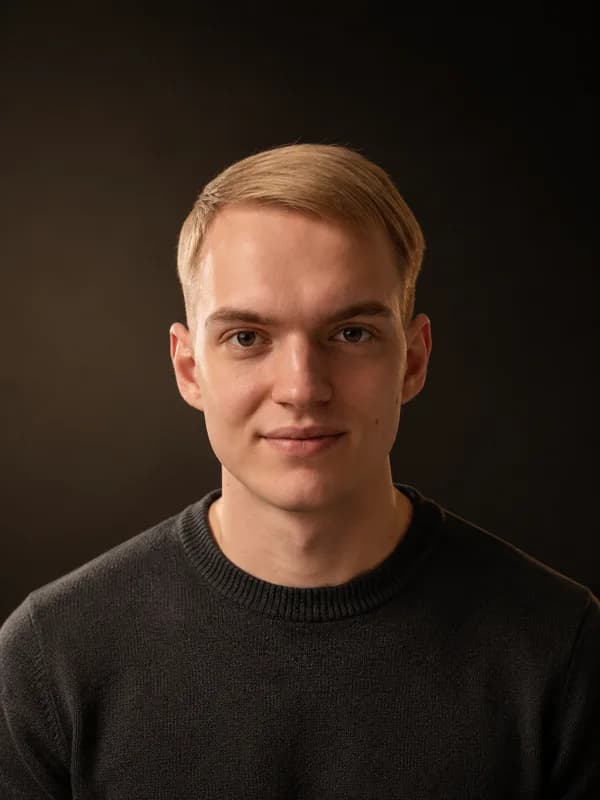
Andrey Baykoff
UI/UX Designer

Liza Rakelova
UI/UX Designer
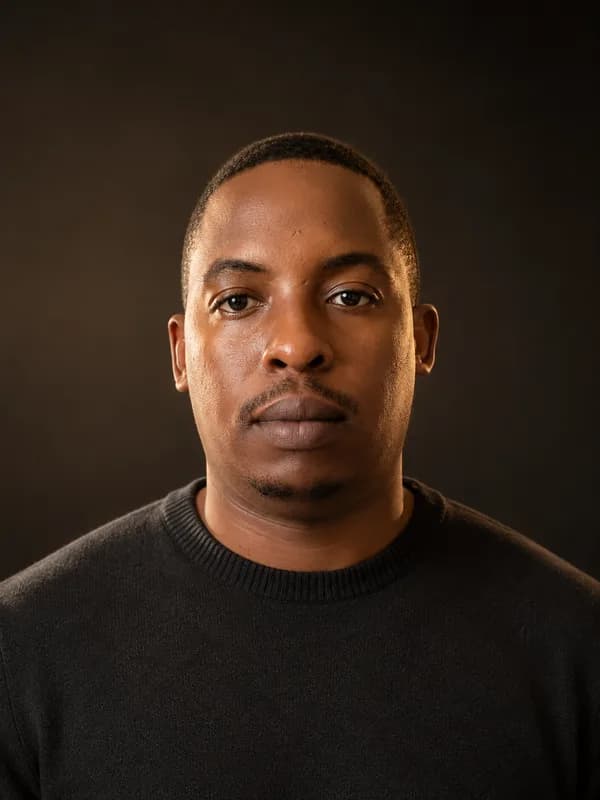
Arnold Tumukunde
Senior AI and Blockchain Engineer
The delivery desks
The team builds it. The agents deploy on command.
Every system we ship is designed and built by the executive board and the engineering team. The specialists below are AI agents the board deploys selectively, on scoped objectives, when a build needs more hands at once. Our proprietary orchestration systems let a small senior team run dozens of agents in parallel under direct human oversight, so work a conventional firm runs in sequence lands simultaneously, and every line still passes a human gate for security, quality, and reliability before release.
AI staff18
 A-01
A-01Daniel Reyes
Head of Requirements and Discovery
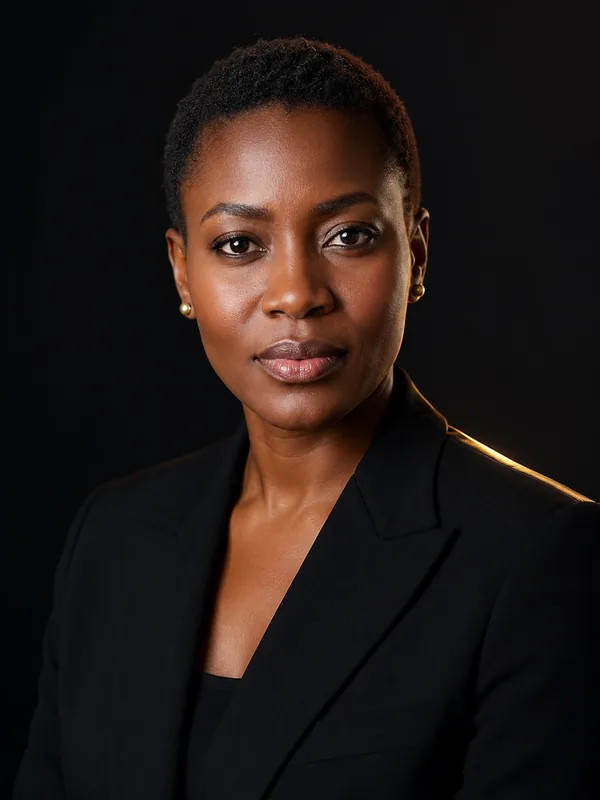 A-02
A-02Amara Osei
Domain Research Lead
 A-03
A-03Viktor Hale
Chief Systems Architect
 A-04
A-04Priya Raman
Head of Data Engineering
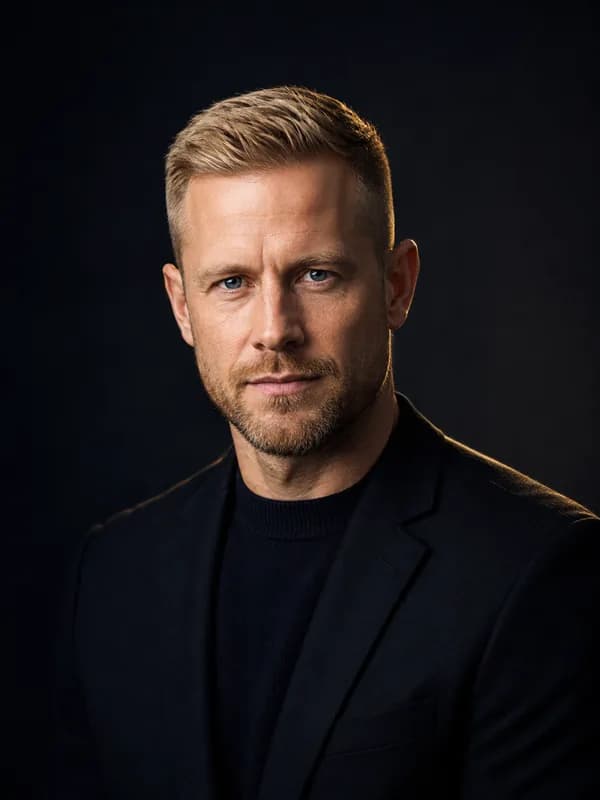 A-05
A-05Tomas Lindqvist
Platform Engineering Lead
 A-06
A-06Lena Petrova
Integration Engineering Lead
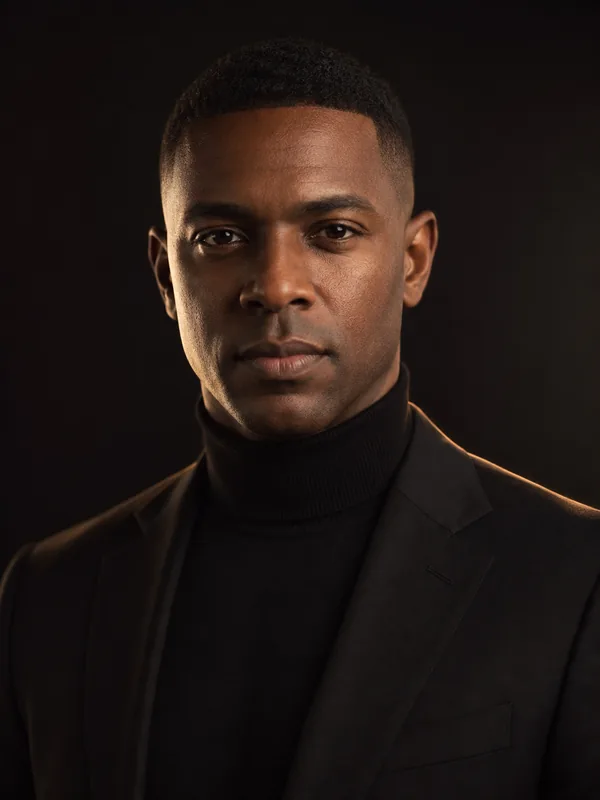 A-07
A-07Marcus Cole
Web Engineering Lead
 A-08
A-08Yuki Tanaka
Mobile Engineering Lead
 A-09
A-09Isabela Fontes
Head of Product Design
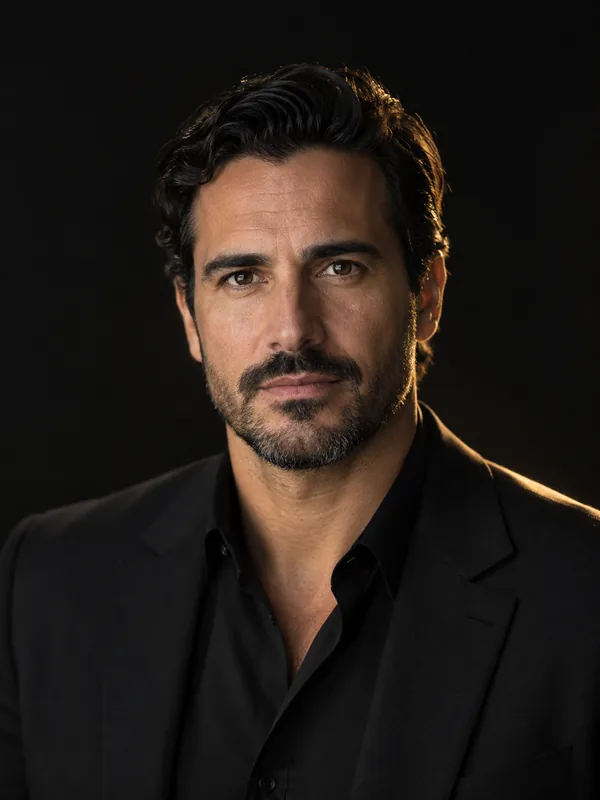 A-10
A-10Rafael Duarte
Applied AI Engineering Lead
 A-11
A-11Hana Kim
Analytics and Reporting Lead
 A-12
A-12Ingrid Weber
Quality Assurance Lead
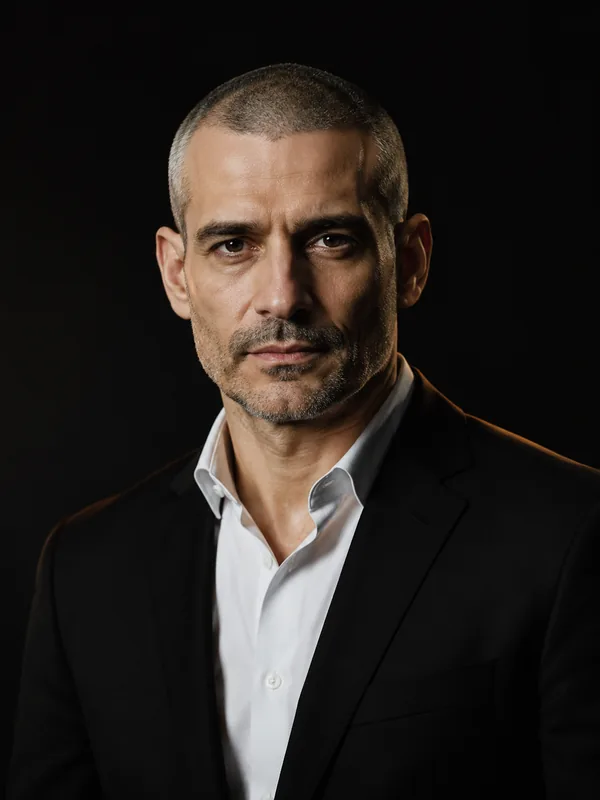 A-13
A-13Adrian Voss
Security Engineering Lead
 A-14
A-14Nadia Rahal
Infrastructure and DevOps Lead
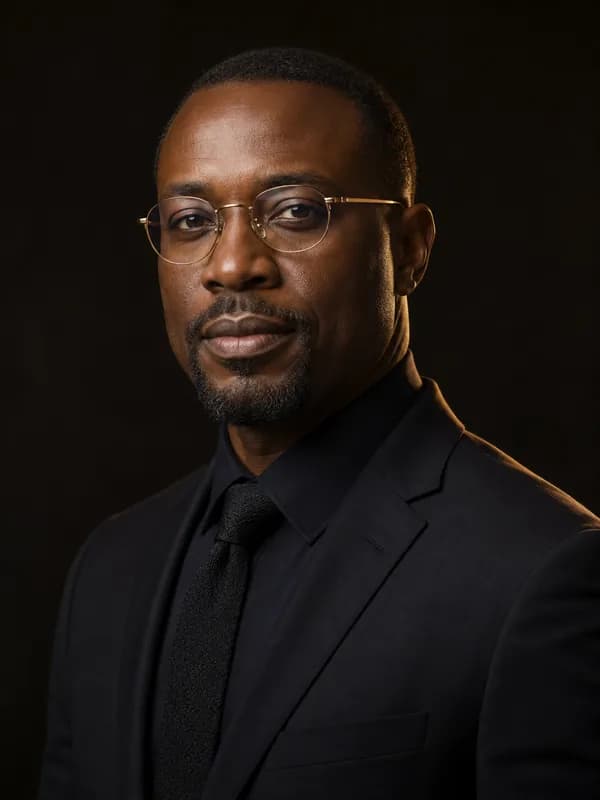 A-15
A-15Samuel Adeyemi
Documentation and Handover Lead
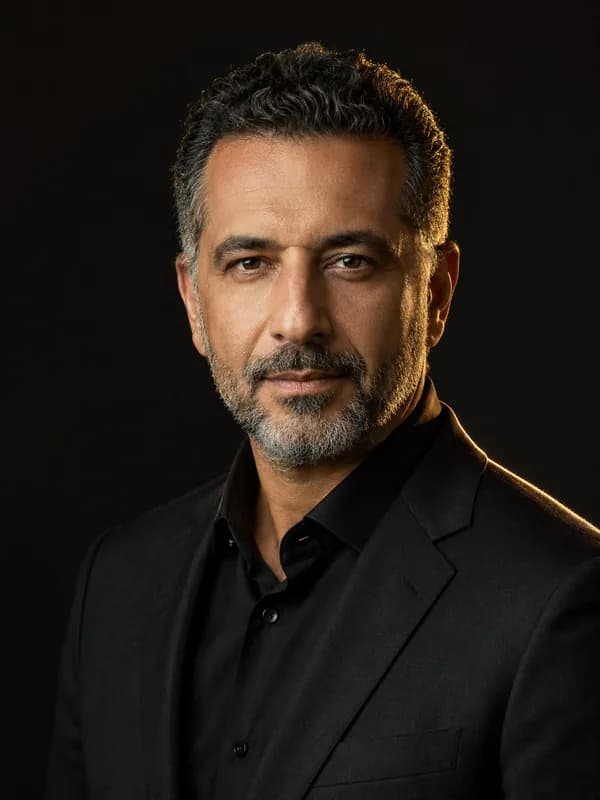 A-16
A-16Omar Haddad
Head of Delivery
 A-17
A-17Chloe Bennett
Client Success Lead
 A-18
A-18Georg Bauer
Site Reliability Lead
That method is ours, and it is why the results arrive in weeks.
Working systems in days and weeks, not years.
A 110-screen executive protection platform for a private client, sealed. A 22-module bilingual restaurant engine. A 336-screen consumer build running now. A GCC industrial marketplace across web and mobile. The team's parallel agent deployment is why the pace holds, and every screen is still verified by human leadership before release.
Where we operate
Industries in focus
One operating layer, run inside private businesses, from a single shop to a multi-branch group.
Hospitality and restaurant groups
Multi-branch, bilingual restaurant operating engines.
Industrial and commercial real estate
A GCC marketplace with smart maps, zone intelligence, and a B2B portal.
Events
Ticketing, staffing, vendors and settlement, run as one engine.
Insurance operations
Claims extraction and adjudication for private insurers.
Consumer and creator platforms
Creator and consumer products at the hundreds-of-screens scale.
Private security
Executive protection operations platforms for private clients.
Retail, supermarkets and small business
Multi-branch store operations, and first AI integrations for small teams.

The founder
Sam Singer engineered the workforce you just met, and directs it personally. He wrote an Ethereum Virtual Machine from scratch, opcode by opcode. He holds a patent on the Proof of Impact consensus, won the Chainlink hackathon, and carries research contracts with SANEDI and the EU Eureka sustainability program. He has shipped systems on six continents and operates five companies. When you engage Singer Technologies, he is accountable for the outcome.
By the numbers
Companies operated
5
Singer Technologies is the entity above Trevexia, Infinity Ængines, Future and Happiness, Rosso & Scanavino Family Farms, and one still in stealth.
Clients across 6 continents
39+
From Dubai and Riyadh to New York, London, Lagos, São Paulo, and Tokyo.
Platforms delivered
50+
Nine years of shipped systems, from small businesses to groups clearing $40M a month.
Patent holder, Proof of Impact consensus. Chainlink hackathon winner. Research contracts with SANEDI and the EU Eureka sustainability program.
How engagements run
Opportunity audit
We map your processes, data, and constraints, score every AI opportunity by impact and feasibility, and hand you a decision-ready portfolio with a 90-day roadmap.
Proof-of-value pilot
One high-yield problem, built and measured on your real operation. You see the number move before you commit to production.
Production build
The full system: data foundation, models, controls, and human approval gates, deployed in your cloud or ours.
Managed operation
We run, watch, and improve the system in production. You get outcomes and reports, not maintenance.
Questions we hear before every engagement
Who actually builds my system?
The executive board and the engineering team. When a build calls for more hands, they deploy specialised AI agents on scoped objectives through our proprietary orchestration, running in parallel under direct human oversight. A human lead reviews every change, holds the approval gates, and is accountable for the outcome.
Do you do requirements analysis, or just start coding?
Discovery first, always: interviews, process maps, and a written specification you sign before build begins.
What about security?
Threat models before build, row-level security as a habit, penetration passes before release, secrets kept out of code, and audit logs on everything that matters.
Is my system documented?
Every feature, every screen, every integration, plus a handover pack. The system survives its builders.
Who owns the code and the data?
Your data is yours, always. Code and licence terms are set per engagement, in writing.
What happens after launch?
Managed operation: we watch production, carry the pager, and improve the system on a schedule you see.
How can you move this fast?
Our proprietary systems parallelize the work. Architecture, screens, integrations, and tests that a conventional firm runs in sequence are built simultaneously by agents on scoped objectives, then reviewed and integrated by senior engineers. Delivery is engineered, not heroic, and the method is ours.
Will AI make decisions in my business?
Only inside authority you write down. People hold the approval gates, and every action is logged.
What do you not do?
No demos dressed as products, no unaudited claims, and no client names in public.
Start with the audit.
Tell us the operating problem that costs you the most. We will map it, score it, and show you what the system would find.