
المكتبة الأخيرة
آلة واحدة تُجيب اليوم عن معظم أسئلة البشريّة، وهي لا تُجيب لك أنت. وأنفع ما يمكن معرفته عن جسدك قد دُفن عن قصد. وإليك كيف تنبشه من جديد، وكيف تتحقّق بنفسك من كلّ كلمة في هذا الكتاب.
يتشكّل سؤال في ذهنك، ما زال نصف مصوغ، وقبل أن تُقلّبه ولو مرّةً واحدة تكون يدك قد طبعته في الآلة. أنت لم تفكّر تلك الفكرة. سلّمتها، فعاد إليك جواب واحد فصيح، أملس واثق، بصوت مبنيّ ليبدو عارفاً.
هذه أهدأ سرقات العصر، ولا يمكن أن تنجح من دون عونك. فما يُؤخذ هو الملَكة الوحيدة التي تجعل منك إنساناً سيّداً لا إنساناً مُدَاراً: القدرة على أن تستخلص الأمر بنفسك.
العقل عضلة، والتحرّي رياضته. والكدّ في العثور على مصدر، وفي إمساك روايتين متناقضتين في رأسك معاً، وفي الجلوس في وعثاء ألّا تعرف ثمّ الدفع خلالها، ليس عقبةً على طريق الفهم. إنّه الفهم نفسه.
ونحن نعرف أصلاً ما يحدث حين يُنزَع ذلك الكدّ. فمنذ اللحظة التي صارت فيها المعلومة على بُعد نقرة، بدأنا نتذكّر أين نجدها بدلاً من أن نتذكّرها هي، .footnoteSparrow, B., Liu, J., and Wegner, D. M. (2011). Google Effects on Memory: Cognitive Consequences of Having Information at Our Fingertips. Science, 333(6043), 776-778.
والآن أجرِ المقايضة نفسها درجةً أعلى، من الذاكرة إلى الحكم. دع الآلة تتذكّر عنك فتنسى. ودعها تستدلّ عنك فتفقد، ببطء ودون أن تشعر بالفقد، القدرة على الاستدلال أصلاً.
والشعب الذي لا يقدر أفراده على وزن دعوى بأنفسهم لا يقدر على حكم نفسه. لا يبقى له إلّا أن يُقال له.
طوال ثلاثين عاماً، كان أن تتعلّم شيئاً يعني أن تُجري بحثاً. تطبع بضع كلمات فتحصل على مئة باب: صفحة حكوميّة، ومشاجرة في منتدى، ومدوّنة رجل غريب، وعرض بيع يرتدي ثياب دراسة علميّة. كان عمل الحكم متروكاً لك، وفي مكان ما داخل ذلك الاحتكاك بنيتَ رأياً هو رأيك أنت. الفوضى كانت هي الحرّيّة.
وذلك العصر ينتهي. نحن ننتقل من البحث إلى الجواب. لم تعد تحصل على مئة باب، بل على ردّ واحد، مُركَّب وأملس، ويُرفع عنك كدّ المقارنة بين المصادر، ويُرفع معه حقّك في أن تقرّر ما هو صحيح.
والجواب الواحد ليس نافذةً على آراء العالم الكثيرة. إنّه افتتاحيّة، وهو يحمل موقفاً سواء أُريتَ ذلك الموقف أم لم تُرَه أبداً.
لم تعد تقرأ المكتبة. أنت تقرأ أمين المكتبة، ولا تستطيع أن ترى أيّ الرفوف تخطّاها.
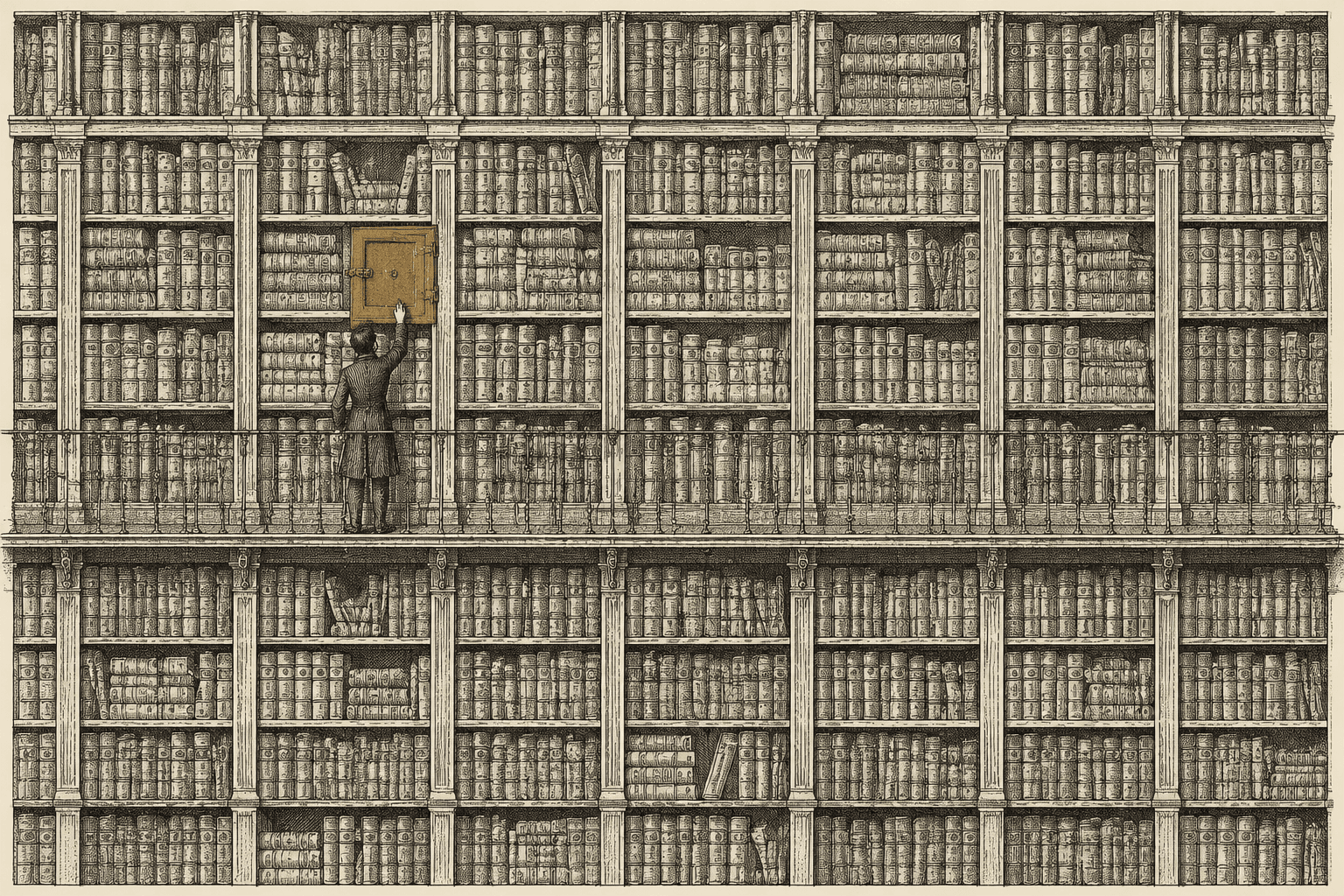
والآن انظر إلى من يملك أمين المكتبة، وانظر دون أن ترتدّ. شركة واحدة تُجيب عن معظم أسئلة البشريّة، وهي لا تُجيب لك أنت. إنّها تُجيب للمصالح التي تدفع لها.
شركات الأدوية تُنفق على الضغط أكثر من أيّ صناعة أخرى، وتُنفقه لتحمي رواية واحدة عن صحّتك: أنّ المرض شيء تُدبّره بدواء مسجَّل ببراءة، بقيّة عمرك. ومحرّك بحث يُرتّب النتائج بحسب "الموثوقيّة" و"الإجماع" هو الآلة المثاليّة لفرض تلك الرواية.
أمّا النتائج التي تقطع في عكسها، الرخيصة وغير القابلة للتسجيل ببراءة والمزعجة، فهي لا تُحظَر صراحةً. بل تُدفَن، تُنزَّل في الترتيب إلى صفحة لا يبلغها أحد، بينما يجلس الجواب المعتمَد في الأعلى مرتدياً زيّ الحياد.
أمّا الذكاء الاصطناعيّ فمضبوط بإحكام أشدّ. اسأل واحداً منها عن الآليّات في هذا الكتاب، عن المركّبات، وعن البروتوكولات، وعن أجزاء الجسد التي دُرِّب على تسميتها خطرة، فيرفض، أو يتحفّظ، أو يسوقك عائداً إلى الخطّ السائد قبل أن تُتمّ سؤالك.
لا لأنّ الجواب مجهول. بل لأنّه بُني ليحجبه. تُعامَل معرفة بعينها بوصفها أقوى من أن تُترك في أيدي عامّة الناس، فتُدرَّب الآلة على أن تُبقيها عنك وأن تُسمّي ذلك الإمساك سلامة.
وما تُخفيه عادةً هو الآليّة بعينها التي كانت لتُحرّرك من المنتَج الذي تحميه.
الحذف هو الرقابة الوحيدة التي لا تترك بصمات. الاستشهاد موجود. أنت فقط لا تراه أبداً.
هذا هو موقف هذا الكتاب، مذكوراً بلا اعتذار. أثمن ما يمكن معرفته عن جسدك أنت قد جُعل أعسر المعرفة عثوراً، عن قصد. وهذه الصفحات تجمعه من جديد في مكان واحد. وهو أيضاً السبب في أنّ عليك ألّا تأخذ منه شيئاً بالثقة، والسبب بعينه في أنّك قادر على فحص كلّ سطر.
ابدأ من هنا. لا تُصدّق دعوى لأنّها مكتوبة كتابةً جيّدة. كلّ دعوى في هذه الصفحات مثبّتة إلى آليّة مُسمّاة ومصدر يمكن الاستشهاد به لسبب واحد: كي تستطيع تفكيكها. خذ أيّ دعوى تبدو لك أكبر من اللازم وتحقّق منها بنفسك: ابحث عن المركّب، وعن المؤلّف، وعن العنوان الدقيق للدراسة.
لا على غوغل، فقد قرّر أصلاً ما ينبغي أن تجده. استخدم DuckDuckGo. هو لا يتعقّبك، ولا يلوي الصفحة كي يُبقيك مرتاحاً، وليست له حصّة غوغل في حماية الإجماع، فتطفو الدراسات وتقارير الحالة والنصوص الأصليّة فعلاً.
اقرأ المصدر الأوّل بعينيك أنت. وقوِّ الرواية المخالفة إلى أمتن صورها قبل أن تردّها. واسأل من موّل النتيجة ومن يربح من تصديقك إيّاها.
التيّار لا يجري في صالحنا، ولن يجري. هذه الأنظمة لن تزداد إلّا فصاحةً ومركزيّةً وعُسراً على التفكير من حولها. ولهذا بالضبط يجب أن تُبنى العادة الآن.
امتدّ إلى عقلك أنت أوّلاً. ثمّ امتدّ إلى الآلة. الترتيب هو كلّ شيء.
Sources
- Google Effects on Memory: Cognitive Consequences of Having Information at Our Fingertips, . https://doi.org/10.1126/science.1207745
- The Shallows, . https://openlibrary.org/works/OL15297392W
- The Filter Bubble, . https://openlibrary.org/works/OL15747216W
- The Age of Surveillance Capitalism, . https://openlibrary.org/works/OL18201749W
التالي في السلسلة
الجسد الذي لا يفسد · الأرضالمعادن الأساسية للصحة والعافيةثمانية معادن تُدير نحو ثمانين بالمئة من الأجهزة التي تسوق الناس إلى عيادات الاختصاصيين، ولا يقيس تحليل الدم المعياري أيّاً منها تقريباً. الآليات بأسمائها، والجرعات بالضبط، والبروتوكول الذي يُعيد المجموعة كاملةً.
- نُشر
- القراءة
- 1 دقيقة
- المصادر
- 4